Careful planning for long-term storage begins with setting the ideal state of charge to minimize degradation and monitor drift and temperature. The 12V system and high-voltage safety must be prepared, with proper lockout/tagout and documentation. Tires, seals, and fluids require protection through pressure management, rotation, and drainage to prevent stagnation. A climate-controlled, secure environment with alarms is essential. A formal maintenance plan and clear reactivation steps ensure safe startup, but specifics should be tailored to each vehicle.
Determine the Ideal Storage State of Charge
Determining the ideal storage state of charge (SoC) is essential to minimize battery degradation during extended periods of inactivity. The recommended SoC balances chemical stability and parasitic draw, reducing cycle loss. For proper charging, maintain a mid-range SoC that preserves battery health while avoiding deep discharge. Monitor voltage drift and temperature, adjusting storage intervals to sustain long-term performance and reliability.
Prepare the 12V System and High-Voltage Safety
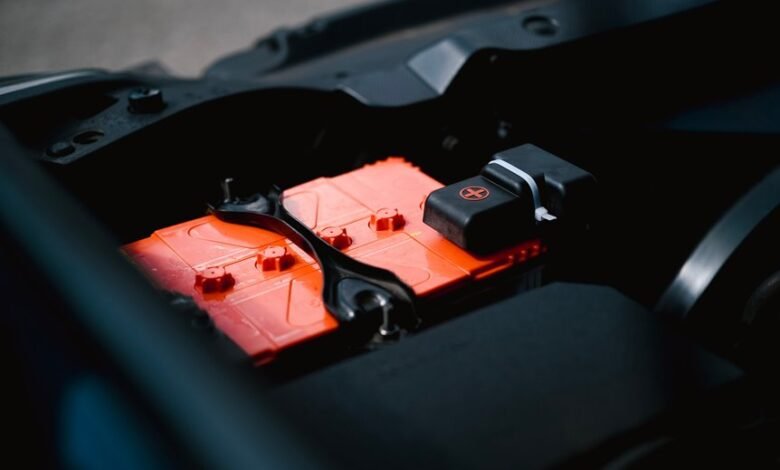
Preparing the 12V system and high-voltage safety involves verifying auxiliary power health and implementing disciplined safety protocols to prevent accidental contact with live circuits.
The assessment confirms 12v system readiness, connections, and isolation measures.
Procedures document interlocks, lockout-tagout, and PPE requirements.
Documentation ensures traceability, while maintenance intervals minimize risk to personnel and enable secure long-term storage without compromising high voltage safety.
Protect Tires, Seals, and Fluids for Long-Term Idle
Long-term idle of an electric vehicle demands proactive protection of tires, seals, and fluids to prevent degradation that could compromise safety and performance.
Systematic measures include situational tire rotation to equalize wear, monitoring pressures, and preserving valve stems.
Fluid drainage protocols minimize stagnation; maintain appropriate levels, inspect seals for seepage, and document every intervention to support reliable, freedom-oriented long-term storage readiness.
Choose the Right Storage Environment and Security
Selecting an appropriate storage environment and implementing robust security measures are essential for preserving an electric vehicle’s condition during extended idle periods. The recommended location maintains climate stability with controlled temperature and humidity, minimizing condensation risks and battery stress. Ensure physical access controls, alarms, and surveillance are present to enforce storage security, while avoiding exposure to corrosive cleaners or abrasive surfaces.
Plan Maintenance Checks and Startup Readiness
Thorough maintenance checks and startup readiness must be established before returning an electric vehicle from storage to active use. A formal plan maintenance protocol evaluates the storage state, battery health, and charger setup, ensuring startup readiness. Inspect security environment, tires protection, and fluids idle, confirming no leaks or corrosion. Documentation records compliance, ensuring timely reactivation and reliable, safe operation post-storage.
Frequently Asked Questions
How Should I Monitor Battery Health During Long-Term Storage?
The monitor should track battery health via periodic voltage and temperature logs, follow charging routines that avoid full cycles, note humidity indicators, inspect for mold risks, debunk storage myths, and apply EV software updates as needed.
Will Software Updates Affect Stored EVS Differently Over Time?
Software updates can influence stored EVs differently over time, with iterative fixes altering battery aging trajectories by refining thermal management and calibration; initial gains may wane as cells undergo aging, yet adaptive updates preserve reliability in active modules.
Can I Add Humidity Indicators Inside the Vehicle During Storage?
Yes, one may place humidity indicators inside the vehicle, aiding humidity monitoring during storage. Systematically tracking ambient moisture helps detect condensation risk and informs proactive desiccant or enclosure adjustments, maintaining electronics and battery stability for long-term storage.
What Risks Do Mold or Mildew Pose to EV Interiors Long-Term?
Mold risk and mildew risk threaten interior materials, triggering odor, material degradation, and potential electrical insulation issues. Suspense builds as moisture persists; systematic monitoring mitigates contamination, preserving HVAC seals, upholstery, and electronics, while offering freedom through proactive environmental control and timely remediation.
Are There Recommended Storage Myths to Avoid for EVS?
Storage myths about EVs should be avoided; informed practices support long-term reliability. The report emphasizes disciplined EV maintenance, avoiding overcharging, extreme temps, and unverified hacks. Systematic checks preserve battery health, safety, and functional readiness for freedom-driven use.
Conclusion
The article concludes with a disciplined, methodical approach to long-term EV storage. In practice, a technician might think of the pack as a forest of quiet trees: leave the sunlight off, watch the sap (SoC) drift slowly, and inspect the bark (batteries) for warmth and wear. Data shows minimal drift at a controlled SoC; anecdote from a shop confirms that proper 12V health and tire care prevent surprises after months idle. This framework yields reliable reactivation.