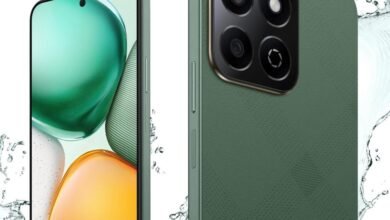
Thoughtful spending on high-end purchases centers on separating needs from wants while evaluating how a item supports core objectives, durability, and usefulness. A clear, SMART budget guides categories, timing, and benchmarks to curb impulse buys. Emphasis falls on quality, provenance, and long-term value over hype, with verification of materials, warranties, and independent reviews. Total cost of ownership and maintenance are weighed, then cooling-off periods and decision rituals are used to solidify the choice—yet the best approach often hinges on what comes next.
Identify Your Luxe Needs vs. Wants
Identifying luxe needs versus wants helps separate essential value from discretionary indulgence.
The analysis framework identifies needs as fundamental benefits, distinguishes wants as appealing extras, and evaluates necessity through practical criteria.
Decision makers compare value by cost, durability, and usefulness, ensuring alignment with objectives.
This disciplined approach supports mindful purchases, emphasizing measurable outcomes, long-term satisfaction, and personal autonomy in high-end spending choices.
Set a Clear, SMART Budget for High-End Purchases
A clear, SMART budget for high-end purchases aligns spending with measurable objectives and quantifiable constraints. The approach emphasizes budgeting psychology, using defined categories, time frames, and benchmarks to resist impulsive grabs.
It highlights opportunity costs, ensuring every choice reflects trade-offs and personal freedom. Decisions become data-driven, transparent, and revisable, enabling confident allocations without sacrificing long-term aspirations.
Research Quality, Provenance, and Longevity Rather Than Hype
When evaluating high-end purchases, emphasis should be placed on research quality, provenance, and longevity rather than hype. Objective verification, independent reviews, and documented lineage inform durable value. Assess durability through material specs and real-world performance data.
Favor items with transparent provenance and robust quality controls, ensuring enduring utility beyond trends, while avoiding exaggerated claims or superficial branding.
Weigh Total Cost of Ownership and Practical Value
Weighing total cost of ownership and practical value requires moving beyond upfront price to a holistic assessment of long-term expense, reliability, and utility. Thoughtful financing informs purchase timing, while durability assessment influences maintenance, resale, and performance over years. Objective data, warranty terms, and service costs frame value, guiding decisions toward freedom through prudent, transparent, and disciplined investment in high-end goods.
Implement Cooling-Offs and Mindful Decision Rituals
To reduce impulse and align purchases with long-term value, implement cooling-off periods and structured decision rituals that separate emotion from analysis. In practice, set a minimum wait window and require written rationale. Document benefits, costs, and alternatives. Employ mindful rituals such as brief reflection, stakeholder review, and success metrics. This disciplined approach supports autonomous, freedom-enhancing choices without regret. cooling off mindful rituals.
Frequently Asked Questions
How Can I Distinguish Lasting Value From Mere Trendiness in Luxury Items?
Lasting value is discerned through durability, timeless design, and resale trends; a rigorous trend assessment considers contingent fashion cycles, maintenance costs, and utility. The approach favors data-driven comparisons, infrequent impulse, and purchases aligning with personal freedom and long-term meaning.
What Early Warning Signs Indicate Overspending on High-End Purchases?
Early warning signs include persistent budget overruns, impulse purchases, and debt accumulation, with no measurable value gain. Data-driven signals show rising credit utilization and shrinking savings. Unrelated topic reinforces restraint; offside discussion should prompt pause before any purchase.
Should I Prioritize Service Plans or Warranties for Luxury Goods?
Service plans often outperform warranties for luxury goods, because extended coverage can align with resale value and ongoing maintenance. A 37% higher satisfaction rate correlates with better resale value when choosing service plans over warranty options for freedom-loving buyers.
How Do I Evaluate Resale Value Without Pressuring Impulse Buys?
Resale valuation can be assessed by comparing model reliability, depreciation curves, and market demand; maintain impulse awareness by delaying purchases 72 hours and tracking price trends, enabling data-driven decisions without compromising personal freedom.
What Role Does Emotional Impulse Play in Luxury Spending?
Emotional impulse drives luxury spending by triggering immediate reward signals; however, data shows disciplined budgets and pause periods curb overspending. The analysis suggests monitoring mood trends, linking purchases to value, and prioritizing meaning over instant gratification. Freedom persists.
Conclusion
In sum, disciplined spending hinges on distinguishing needs from wants, grounding choices in SMART budgets, and prioritizing durability and provenance over marketing. A thorough cost-of-ownership view reveals practical value beyond price tags, while cooling-off periods reduce impulse risk. Decisions should be documented with benefits, costs, and stakeholder input. Like a seasoned curator selecting a lasting artifact, the process emphasizes evidence, repeatable criteria, and deliberate deliberation—transforming luxury into prudent, regret-free investment.