
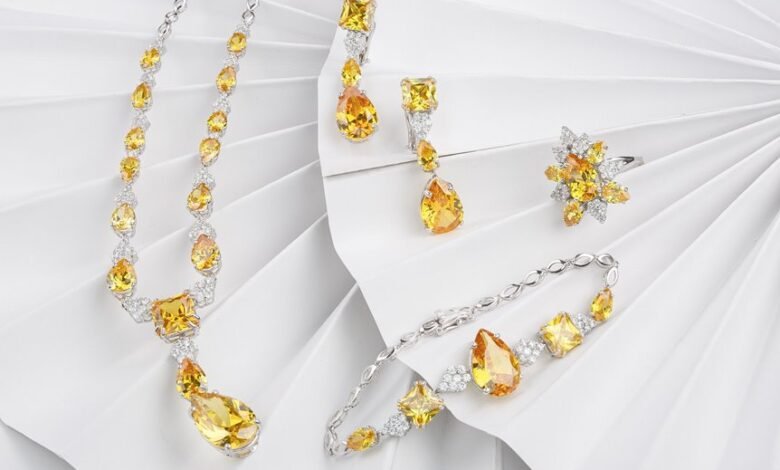
Jewelry settings are the metal frameworks that grip and protect gemstones while shaping light performance and durability. Prong settings elevate stones for maximum brilliance with minimal metal contact, yet require periodic tightening. Bezel and partial bezel designs encircle the gem, offering secure, edge-to-edge protection and a clean silhouette. Choosing a setting involves weighing security, visibility, lifestyle, and maintenance, informing long-term wear decisions. The discussion begins with how these factors balance practical needs against aesthetic goals, inviting careful assessment of options.
What Jewel Settings Are and Why They Matter
Jewel settings are the mechanisms that hold gemstones securely in place on a piece of jewelry, balancing protection, visibility, and durability.
The analysis explains how settings work, why they matter, and how various forms—prong settings and bezel settings—affect durability and maintenance.
Precision criteria guide selection, ensuring secure immobilization, minimized risk, and clear light performance without redundancy or excessive ornament.
How Prong Settings Maximize Brilliance Without Sacrificing Security
Prong settings maximize brilliance by lifting the gemstone above the surrounding metal, allowing unobstructed light entry from multiple angles while maintaining secure immobilization. This configuration balances prong security with brilliance maximization, enabling optimal sparkle. Considerations include bezel durability for alternative support, shine preservation through precise edge exposure, lifestyle durability for daily wear, and maintenance cost implications in routine inspection and timely tightening.
The Stability and Shine of Bezel and Partial Bezel Settings
Bezel and partial bezel settings offer stable gemstone immobilization through a continuous metal rim that encircles the edge or a majority of it, delivering uniform grip without visible prongs.
The bezel shine arises from smooth, uninterrupted surfaces that reflect light consistently, while partial bezel stability provides reinforced edge contact.
Precision tolerances optimize seating, cleanliness, and resistance to lateral displacement.
Setting Styles by Lifestyle: Durability, Maintenance, and Cost
Assessing setting styles by lifestyle centers on durability, maintenance requirements, and overall cost, linking material choice, mesh of prongs, bezels, and alternative mounts to practical wear patterns.
Precision criteria describe how durability maintenance varies with alloy hardness, corrosion resistance, and setting geometry, while cost considerations consider manufacturing complexity, serviceability, and long-term upkeep across daily activities, travel, and environmental exposure.
How to Evaluate and Choose the Right Setting for You
Choosing the appropriate jewelry setting requires a structured appraisal of gemstone protection, mount geometry, and serviceability, balanced against wearer habits and environment.
The analysis targets durability, accessibility, and resale value.
Prong settings offer light exposure and ease of resizing, while bezel settings maximize edge protection and security.
Consider field use, maintenance cadence, and compatible alloy hardness to finalize the optimal configuration.
Frequently Asked Questions
Do Settings Affect How a Stone Wears Over Time?
Stone durability is affected by settings over time, as wear and micro-movements influence girdle integrity and prongs. Proper setting maintenance mitigates risk, distributing stress evenly and preserving lattice stability for prolonged gemstone performance and enduring aesthetic integrity.
Are Certain Metals Better for Allergy-Prone Wearers?
Astonishingly, some metals are better for allergy-prone wearers. Allergy free metals and hypoallergenic alloys minimize irritation, though individual reactions vary; durability and finish matter, as does jewelry fit. Continuous wear compatibility depends on composition and maintenance.
Can Settings Conceal Scratches or Damage on Stones?
Yes, certain settings can conceal scratches or minor damage, though not fully prevent it. The design influences concealment and damage protection, with bezel, prong, and halo configurations offering varying degrees of concealment and impact resistance for stones.
How Do Settings Impact Resale Value and Insurance?
Resale value and insurance impacts are influenced by setting type, gemstone integrity, and craftsmanship; like a precise engine, metals, pavé, and prongs affect appraisal outcomes, replacing stones or re-cutting raises costs, while secure settings reduce insurers’ risk.
Do Lab-Grown Stones Require Different Setting Considerations?
Lab grown considerations influence setting choices due to crystal structure and hardness; designers favor robust settings. Setting aesthetics align with durability and care, balancing brilliance with protection, as innovations accommodate higher clarity and consistent reproducibility for a freedom-seeking audience.
Conclusion
In juxtaposition, metal and light converse: prongs lift brilliance while inviting vigilance, bezel encircles restraint with enduring edge, and partial bezels balance exposure with security. The setting’s strength rests not in ostentation but in measured tradeoffs—security versus visibility, maintenance versus cost. A discerning buyer weighs lifestyle and wear against form and function, trading loose sparkle for steadfast durability. Precision-informed choices, grounded in terminology, yield jewelry that endures, glistening quietly as time preserves its engineered clarity.


