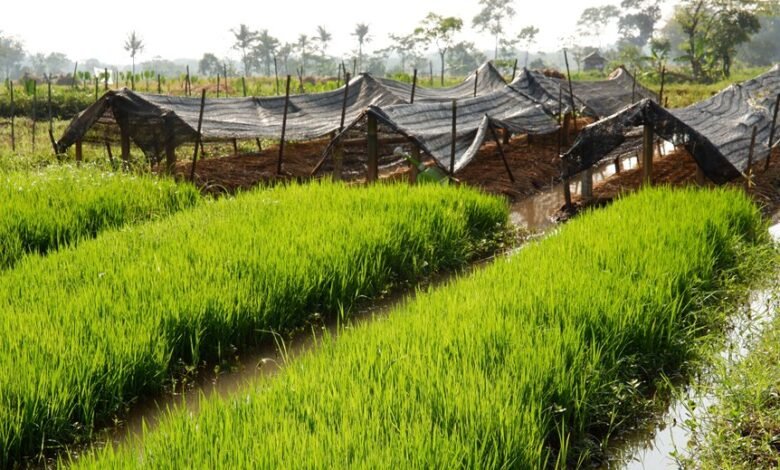
Cover crops offer a practical path to healthier soil and steadier yields. This guide distills 10 actionable tips—from goal setting and species choice to timing and simple field metrics—into a concise framework. It explains how to evaluate soil impact, moisture management, and nutrient cycling while aligning crops with calendars. The discussion ends with a straightforward four-step plan you can start now, but the next steps require careful on-site observation and adjustments to fit your conditions.
What a Cover Crop Is and Why It Matters
A cover crop is a planted or seeded crop grown primarily to benefit the soil and preceding crops, not for harvest. The concept centers on practical, field-focused benefits: protecting soil, reducing erosion, and improving moisture dynamics.
Cover crops stabilize moisture, moderating soil moisture fluctuations, while adding organic matter. They support nutrient cycling, weed suppression, and microbial activity without demanding harvest or excessive inputs.
How Cover Crops Improve Soil Health and Structure
Cover crops improve soil health and structure by building organic matter, enhancing aggregation, and boosting biological activity.
In practice, roots penetrate soil, creating channels that improve porosity and aeration.
This activity supports diverse microbial life, strengthens soil structure, and reduces compaction.
Farmers observe steadier yields and easier tillage as cover crops contribute to long-term soil resilience and sustainable field performance.
Moisture Management: How Cover Crops Retain and Balance Water
Cover crops improve soil moisture retention by increasing organic matter and porosity, which helps store more water for plant use.
They also influence water infiltration and balance, slowing runoff in heavy rains while enhancing below-ground drainage during drier periods.
Together, these effects reduce erosion and promote steadier soil moisture across key growth stages.
Soil Moisture Retention
Soil moisture retention is a key benefit of cover crops, as living roots and surface residues reduce evaporation, improve soil structure, and create a more stable water profile for subsequent crops.
This practice supports soil moisture, buffers drought periods, and helps maintain a balanced water balance across the field, enabling timely operations and more predictable yields without excessive irrigation.
Water Infiltration Balance
Water infiltration balance refers to how cover crops influence the rate and distribution of water entering the soil profile. This balance improves water storage by moderating rapid infiltration and reducing crusting, while preserving soil porosity for root access.
In practice, species selection and timing shape steady moisture supply, supporting crops during drought and nutrient uptake without creating excess wetness.
Runoff Reduction Effects
Runoff reduction is a primary mechanism by which cover crops protect field moisture and soil structure. In practice, living mulch slows surface flow, improves infiltration corridors, and cushions erosion during storms. The result is steadier moisture availability and better soil aggregation. This demonstrates cover crop impacts on runoff reduction, supporting drier, more resilient fields without sacrificing crop access or management freedom.
Nutrient Cycling and Fertility From Cover Crops
Nutrient cycling in cover crops involves how residues and roots release and reallocate essential elements, supporting soil fertility between cash crop cycles. These processes include mineralization, immobilization, and the role of legume fixation in adding available nitrogen to the system, enhancing overall soil nutrient status.
The discussion starts by outlining how different cover species influence soil nutrient pools, microbial activity, and long-term fertility through residue quality and timing.
Nutrient Cycling Processes
Cover crops influence nutrient cycling by capturing and releasing nutrients through a sequence of biological and chemical processes that improve soil fertility.
In practice, residues decompose, minerals mineralize, and microbial activity shifts with moisture and temperature.
Nitrogen immobilization may transiently tie N, while rhizosphere signaling guides nutrient uptake.
The result is targeted fertility support and resilient, productive soils.
Soil Fertility Enhancement
Soil fertility from cover crops builds on the improved nutrient cycling observed with these crops, translating biological processes into practical fertility benefits. The approach enhances soil structure and mineral availability while minimizing losses, supporting steady yields. By sustaining organic matter and microbial activity, cover crops reduce soil erosion and contribute to pest suppression, creating resilient, productive cropping systems.
Legume Fixation Benefits
Legume crops contribute a direct, measurable nitrogen input through biological fixation, transforming atmospheric N2 into plant-available forms that feed subsequent crops and reduce synthetic fertilizer needs.
Legume fixation supports soil fertility across rotations, enhancing residue nitrogen and microbial activity.
Nodulation efficiency, influenced by cultivar choice and inoculation, governs overall N input.
Practitioners should monitor timing, cover crop mixes, and soil pH to optimize benefits.
Choosing the Right Cover Crop for Your Location and Goals
Choosing the right cover crop depends on location-specific factors such as climate, soil type, and the grower’s objectives, from erosion control to nutrient management.
The selection focuses on adaptability and long-term performance, guiding decisions about cover crop costs and seed sourcing.
Practitioners compare species for timing, residue, and rooting depth, aligning options with field conditions, resource availability, and stated conservation goals.
Timing, Seeding, and Termination: Practical Steps to Success
Timing, seeding, and termination are the core levers for successful cover crop management, requiring precise alignment with crop calendars, rainfall patterns, and field conditions. They emphasize timing alignment to fit windows, and judicious seeding density to balance soil protection with termination goals.
Practical steps include rapid, targeted measurements, timely rollouts, and flexible adjustments to optimize residue, root activity, and subsequent cash crop readiness.
Planting Patterns and Rotations That Maximize Benefits
Planting patterns and rotations that maximize benefits hinge on aligning cover crop goals with field realities: matching species selection and sequence to soil health targets, cash crop timing, and nutrient needs.
The approach favors diverse cover crops to bolster biodiversity benefits, minimize soil erosion, and fit harvest windows; simple rotations with short-term species optimize residue, root structure, and weed suppression without sacrificing yields.
Common Challenges and How to Avoid Them
Common challenges with cover crops often arise from misalignment between goals, field realities, and management capacity.
Practical planning helps: start with realistic C:N balance, seed timing, and local climate.
Observe soil erosion patterns and adjust termination timing to protect established soil structure.
Integrate pest management strategies early, rotate species, and monitor volunteer growth to avoid weed pressure and yield losses.
Measuring Benefits: Simple Ways to Track Progress
Farmers can begin measuring the benefits of cover crops by identifying and tracking key indicators such as biomass, soil cover, and nutrient cycling. Regularly monitoring these indicators helps reveal seasonal trends and informs management decisions. A simple, field-focused approach centers on consistent recordkeeping and periodic comparisons across plots or years.
Track Key Indicators
Track Key Indicators involves selecting simple, reliable metrics that reflect the benefits of cover crops and can be tracked over time without specialized equipment. The approach emphasizes observable soil health and crop performance, using accessible data and farmer-owned tools. Tracking equipment remains minimal, focusing on consistency. Marketing considerations arise from clear indicators that demonstrate soil benefit, resilience, and long-term value to stakeholders.
Monitor Seasonal Trends
Seasonal Trends offer a clear window into how cover crops influence soil and crop performance over time, providing a straightforward way to measure progress without specialized equipment. Monitors focus on simple indicators: emergence timing, residue persistence, weed suppression, and post-harvest soil texture cues. This approach debunks cover crop myths by showing tangible, repeatable patterns in field conditions and yields. Seasonal trends inform decisions.
Quick-Start Plan: A 4-Step Path to Your First Cover Crop System
A practical, four-step framework helps establish a first cover crop system quickly and with measurable progress. The plan emphasizes field-tested decisions: Step 1, select adaptable species; Step 2, determine seeding timing; Step 3, apply appropriate termination; Step 4, monitor soil response. It challenges cover crop myths and explores mulch alternatives, fostering freedom through tangible, repeatable results.
Frequently Asked Questions
How Long Before Benefits Show on a New Cover Crop System?
Benefit timelines vary, but noticeable improvements often start after 1–2 months of cover crop establishment, with stronger soil health and erosion control building through cool-season roots and biomass. Field notes emphasize patience, ongoing management, and seasonal adjustments.
Can Cover Crops Replace All Soil Fertility Inputs?
Cover crops cannot replace all soil fertility inputs. Soil microbiome and nutrient cycling improve, yet amendments remain necessary; planning shows balanced inputs, ongoing monitoring, and field-adapted practices empower growers seeking freedom and practical, resilient cropping systems.
Are There Risks of Allelopathy With Common Cover Crops?
Allelopathy risks exist but are manageable with careful cover crop selection. Fields should assess species-specific tendencies, rotation timing, and soil conditions to minimize effects; informed choices reduce interference while preserving ecosystem benefits and freedom to adapt strategies.
Do Cover Crops Affect Crop Yield During the First Year?
Cover crops may slightly reduce first-year yield due to biomass gain, yet benefits arise later; nitrogen fixation supports residue N, while soil moisture impact varies with species, timing, and establishment; practice favors soil health but requires field-specific evaluation.
How to Terminate Cover Crops Without Specialized Equipment?
The guide states: termination can be done with simple tools or rollers; no specialized equipment needed. It notes concerns about soil compaction and nutrient management, and reminds none of these are relevant to the other H2s.
Conclusion
In a field not unlike the quiet farmer who first learned the rains, cover crops tell a patient story. They whisper of soils mending themselves while seasons turn, of roots weaving strength unseen, and of mulch-like silence after harvest. By defining clear goals, matching species to place, and tracking simple signs, growers read the land’s handwriting anew. The four-step start becomes a daily practice—steady, practical, and hopeful—until the next season arrives with more resilient, living soil.