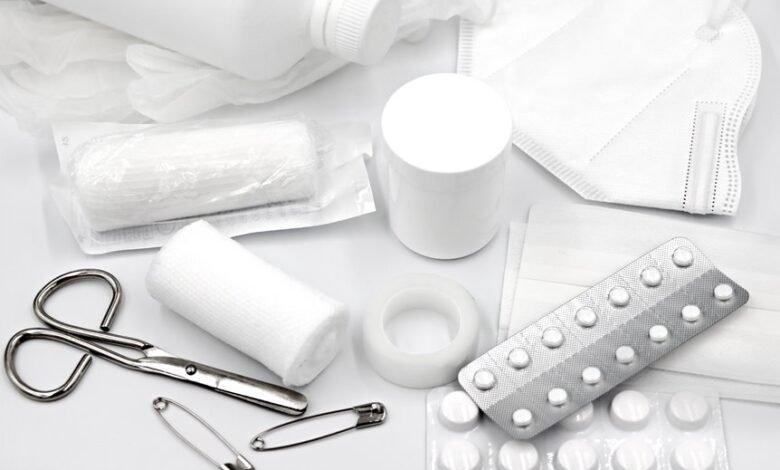
Building an outdoor first aid kit starts with evaluating activity risk and environment. A compact, reusable case with clear labels supports quick access and restocking. Core items cover wounds, burns, splinters, and splints, plus basic PPE and a multitool. Organization matters: color-coded, moisture-resistant labels and a simple layout speed up care. The process benefits from routine checks for expiration and stock. Tailor content to season, location, and group size to stay portable yet scalable, inviting further practical steps.
Identify Your Outdoor Activities and Risk Profile
Assessing outdoor activities and risk profile helps tailor a kit to likely injuries and conditions. The approach identifies core needs by evaluating activity risk, terrain considerations, and environment. A detached assessment notes common incidents across hiking, climbing, or paddling, guiding essential items. This clarity aids freedom-seeking outdoorspeople to anticipate practical gaps and prioritize gear for safe exploration.
Pick a Compact, Reusable Kit and Labeling Strategy
A compact, reusable kit supports portability and consistency in supplies, reducing bulk while maintaining essential items.
The reuse of a durable case simplifies maintenance, allows for quick replenishment, and minimizes waste.
A clear labeling system helps with rapid access and correct restocking, aligning with the core points of compact kit essentials, reusable case benefits, and labeling strategy.
Compact Kit Essentials
When selecting a compact, reusable kit for outdoor first aid, prioritize a container that is lightweight, watertight, and durable enough to withstand outdoor conditions.
A compact kit should balance essential items with portability, reduce bulk, and allow quick access.
A clear labeling strategy minimizes search time and errors, supporting safe, confident use and streamlined restocking after expeditions.
Reusable Case Benefits
The reusable case offers tangible benefits for a compact, reusable first aid kit by combining durability with ease of maintenance. A sturdy shell resists weather and abrasion, extending product life and reducing replacement costs.
Reusable case benefits include easier cleaning and organization, while durability impact supports reliable access in outdoor conditions, promoting safer, more autonomous preparedness without excessive waste.
Clear Labeling System
Clear labeling is essential for rapid access in outdoor first aid kits, especially when using a compact, reusable model. A simple labeling system uses clear labeling and color coding for contents, locations, and expiration. Durable labels resist moisture and abrasion. Color coding guides quick retrieval, while consistent terminology reduces confusion. Regular audits ensure accuracy, updating, and user confidence in emergency situations.
Stock Core First-Aid Essentials for Most Injuries
A foundational outdoor first-aid kit should cover core supplies for common injuries, including wound care, basic medications, and protection against environmental factors. The discussion centers on assembling a core supplies checklist, implementing basic wound care practices, and identifying essential emergency medications. This approach emphasizes readiness, evidence-based selection, and concise justification for each item.
Core Supplies Checklist
For a reliable core first-aid kit, a compact, weather-resistant container should hold a standardized set of items that cover common injuries, including wounds, burns, splinters, and sprains, plus basic safety equipment.
The core supplies support practical outdoor risk assessment, enabling rapid response; emphasize kit labeling strategies for quick identification, organized packing, and accessible, evidence-based guidance during outdoor activities.
Basic Wound Care
Proper wound care is foundational to outdoor first aid, guiding prompt assessment, cleaning, and containment to prevent infection and promote healing.
Basic woundcare emphasizes quick evaluation, controlling bleeding, and selecting appropriate cleansing methods.
Wound cleaning should be performed with clean water or saline, avoiding irritants.
Use sterile dressings, monitor for signs of infection, and seek professional care when uncertain about severity or healing progress.
Emergency Medication Essentials
Emergency Medication Essentials: A streamlined stock of core meds and supplies covers the majority of outdoor injuries and common illnesses, enabling rapid symptom relief and safer self-care while professional help is arranged.
This core set supports emergency medication management, enabling timely treatment, reducing escalation, and preserving autonomy.
Proper storage, expiry checks, and user familiarity bolster preparedness and confident, pragmatic outdoor care.
Choose Gear and Supplies to Minimize Bulk
Choosing gear and supplies to minimize bulk involves prioritizing versatile items, selecting compact versions, and avoiding redundancy. The kit should balance essential care with portability, favoring multi-use tools and lightweight bandages. Compact packing reduces workload on trails, while careful weight distribution prevents fatigue. Evidence suggests focusing on core capabilities, not volume, to maintain function without unnecessary items.
Organize for Speed: Layout, Visibility, and Access
Organizing a first aid kit for quick access hinges on layout, visibility, and reach.
Organizing layout facilitates rapid item retrieval, while clear labeling guides responders.
Quick access is aided by visible compartments and open routes.
Visibility labeling and color coding reduce search time, preventing delays during stress.
An uncluttered, logical arrangement supports freedom to respond confidently and efficiently in outdoor settings.
Establish a Simple Refresh and Maintenance Routine
Establishing a simple refresh and maintenance routine ensures the outdoor first aid kit remains ready for use and accurate in contents.
Regular checks verify expiration dates and stock levels, while outdoor storage conditions are reviewed to prevent damage.
Implement cleaning routines to wipe containers, replace compromised items, and reseal kits.
Documentation tracks changes, supporting consistent readiness and user confidence.
Customize the Kit for Location, Season, and Group Size
To tailor an outdoor first aid kit effectively, one must consider how location, season, and group size shape common injuries and access to resources. A location specific approach prioritizes terrain and climate risks; season aware adjustments emphasize temperature-related needs and seasonal hazards. Kits remain streamlined, scalable, and portable, ensuring readiness for diverse groups without redundancy or fluff.
Frequently Asked Questions
How Durable Should the Outer Shell Be in Wet Conditions?
A durable shell should withstand frequent wet exposure, maintaining integrity in rain and immersion. It is advisable that the bag includes durable shell materials and waterproof zippers to prevent moisture ingress, protecting contents in demanding outdoor conditions.
What Are Must-Have Items for Kids or Elderly Hikers?
A kit for kids or elderly hikers should include must have items such as gentler antiseptic, skin protectant, breathable bandages, non-latex gloves, cooling wipes, oral rehydration solution, tweezers, and a compact emergency blanket; kid friendly instructions are essential for clarity.
How Often Should the Kit Be Replaced After Use?
Durability in wet conditions demands replacement after use; how often depends on exposure and contents. After use it should be replaced promptly to maintain sterile integrity, ventilation, and readiness. The kit’s resilience hinges on timely replenishment and care.
Should I Include Medications or Allergy Supplies?
Yes, medication inclusion and allergy supplies can be appropriate if vetted, labeled, and aged appropriately. The kit should align with user needs, include professional guidance, and ensure safe storage, dosing awareness, and clear usage instructions.
How Can I Prevent Contamination and Keep Items Clean?
“Kick off” by noting that contamination control hinges on proper cleaning protocols; items should be wiped, dried, and stored sealed. The kit adheres to evidence-based cleaning protocols, minimizes exposure, and maintains sterility for outdoor use without compromise.
Conclusion
A simple outdoor first aid kit, prepared with purpose and precision, empowers campers to act confidently, calmly, and promptly. Preparedness reduces risk, response time shortens pain, and reassurance strengthens resilience. Clear labeling, compact design, and routine checks keep supplies reliable and accessible, season after season. Durable organization supports swift decisions, while customization matches activity, location, and group size. With thoughtful stocking and ongoing maintenance, hikers stay safe, capable, and connected to the wilderness—and to each other. Prepared, proactive, protected.