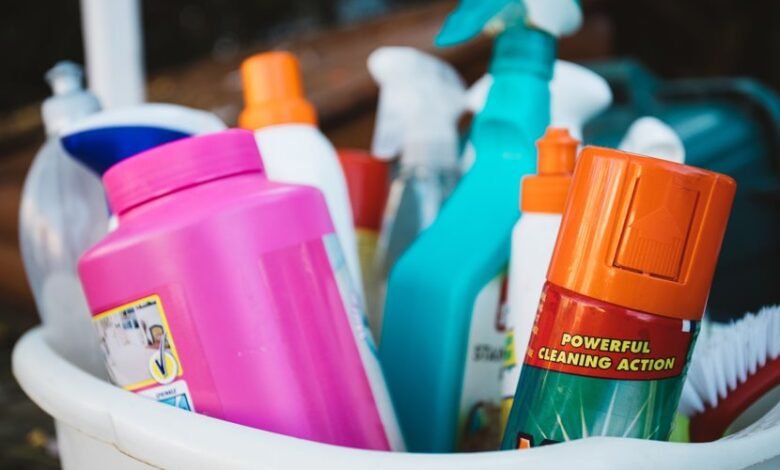
Keeping household chemicals away from pets starts with careful storage and clear labeling. Locks on cabinets, sealed containers, and high shelves reduce the chance of curious noses tipping bottles. Separate cleaners by hazard and keep lids tightly closed to avoid spills. Use non-toxic, fragrance-free substitutes when possible, and dispose of leftovers responsibly. If exposure occurs, act quickly and contact a veterinarian or poison control for guidance. The steps may seem simple, but the stakes are real, and a small choice can prevent a serious crisis.
Why Household Chemicals Are Hazardous to Pets
Household chemicals pose serious risks to pets because many substances that are safe for humans can be toxic to animals in small amounts. This reality underscores how even accidental exposure—via skin contact, inhalation, or ingestion—can cause distress.
Understanding dangerous residues and seeking pet safe storage helps owners reduce harm, preserving autonomy while safeguarding animal health and well-being.
Store and Label Safely: Containers, Segregation, and Access
Effective storage hinges on choosing appropriate containers, keeping products segregated by hazard, and restricting access to pets. Store labeling should be clear and durable, with ingredients, instructions, and warnings visible.
Container segregation reduces cross-contamination; store incompatible chemicals apart. Access control matters: use locked cabinets or high shelves, and limit who handles products. This approach supports safe, confident guardianship of household chemicals.
Minimize Exposure: Everyday Habits to Protect Curious Noses
Minimize exposure by adopting everyday habits that reduce the chance of a curious nose or paw encountering hazardous products.
People can keep away from pets by storing cleaners upright, sealing lids tightly, and promptly disposing of spills.
Clear label practices guide routines, minimize hazards, and foster calm confidence, allowing households to live freely while protecting trusted companions.
Safe Substitutes and Disposal Practices for Pet-Friendly Homes
When choosing products for a pet-friendly home, selecting safe substitutes and establishing proper disposal practices reduces risk and protects curious animals.
The guide emphasizes choosing non-toxic cleaners, fragrance-free options, and simple, effective tools.
Emphasize labeling, responsible disposal, and recycling where possible.
Safe substitutes and disposal practices support freedom to live confidently while maintaining a safer, cleaner environment for pets and people alike.
Responding to Exposure: Quick Actions and When to Seek Help
In the wake of exposure incidents, quick, clear actions can reduce harm while awaiting professional guidance. Immediate steps involve removing the pet from the source, calmly inspecting for injuries, and noting product details. Do not induce vomiting unless advised by a professional. Contact a veterinarian or poison control, ask for instructions, and seek help promptly; timing matters for safeguarding your companion. quick actions, seeking help.
Frequently Asked Questions
Can Pets Smell Chemicals That Are Hidden in Cabinets?
Yes, can pets smell chemicals hidden in cabinets; their noses detect scents through cabinet doors. This informs safety, guiding routines in pet proofing doors and prioritizing cabinets safety, with practical steps for reducing exposure and protecting curious animals.
How Can I Pet-Proof Cleaning Supply Storage Doors Effectively?
A careful cabinet keeps 80% of incidents away, yet doors must be secure. The household’s approach uses non slip latches, notes smell clues, and flags hidden hazards, fostering freedom while maintaining safety for curious pets.
Are Essential Oils Safe Around Cats and Dogs?
Essential oils safety: they pose significant pet exposure risks and are not universally safe for cats or dogs. The veterinarian community advises avoiding use around pets, ensuring scented items remain inaccessible, and seeking alternatives when in doubt.
What Signs Indicate Delayed Chemical Poisoning in Pets?
Ironically, signs of delayed poisoning may appear hours or days later, and pets may hide symptoms; caregivers should monitor for subtle changes, noting symptoms to watch like lethargy, vomiting, or confusion, and seek prompt veterinary evaluation.
Do Poison Control Hotlines Cover Household Cleaners?
Poison control hotlines cover household cleaners. They provide emergency guidance and poison control awareness, important for immediate risk assessment. For broader household chemical safety, call guidance supports owners while ensuring pet safety through informed decisions.
Conclusion
Keeping pets safe hinges on consistent routines and thoughtful choices. Keep containers closed, cabinets locked, and products segregated; keep fragrances minimal and lids tight. Teach habits that reduce temptation, and replace harsh cleaners with safer substitutes whenever possible. Dispose responsibly, return spills to manageable steps, and monitor pets after any exposure. When in doubt, seek prompt veterinary or poison-control guidance. Prioritize prevention, practice preparedness, and protect curious companions through calm, careful, and compassionate action.