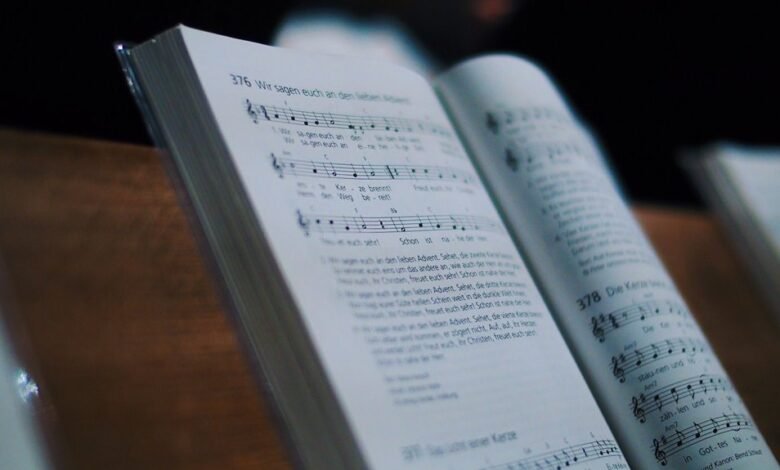
Song structure can be seen as a guided journey, where recurring sections map motive, theme, and tension. Each verse expands the idea, the chorus crystallizes intent, and the bridge interrupts rhythm to reframe your ear. The pull comes from tension and release, driven by repetition, pacing, and dynamic shifts. Familiar forms provide a scaffold, while transitions and cadences reveal intent. The pattern invites closer attention, but the next step remains elusive until connections click into place.
What Song Structure Really Is: A Quick Foundational Overview
What song structure is can be described as the scaffold that organizes melodic ideas into a coherent arc. It frames conceptual contrast between moments of tension and release, illuminating how lyric vs. melody negotiate meaning. This quick foundational view treats form as a directive, not a cage, guiding attention to motive repetition, alternation, and spatial balance that permit freer musical exploration.
Mapping the Core Sections: Verse, Chorus, Bridge, and Hook
In mapping the core sections of a song, the verse, chorus, bridge, and hook function as distinctYet interconnected modules that guide the listener through narrative and emotional ascent.
Theorizing structure, the verse internally frames motif and theme pairing, while the chorus crystallizes central intent.
Bridge offers contrast, and hook delivers resonance—Lyric framing and structural recurrence guiding freedom-minded listening.
Tension and Release: How Progression Drives Movement
Tension and release propel musical movement by charting a deliberate arc from anticipation to fulfillment, where pacing and dynamic contrasts shape the listener’s emotional trajectory.
Theoretical emphasis centers on how motifs accumulate meaning through tension dynamics, then resolve via a release cadence that realigns expectations with form.
This perspective treats progression as structural rhetoric, guiding listeners toward perceived resolution and durable engagement.
Practical Frameworks: Common Forms You’ll Encounter
Practical frameworks for song structure crystallize around a set of recognizable forms that recur across genres, offering reliable scaffolds for organization without prescribing a single blueprint. This perspective treats forms as living architectures: motifs, rhythms, and sectional logic guide movement. Rhythm repetition anchors anticipation, while lyric storytelling supplies spatial meaning, enabling flexible modulation of tension, release, and expressive clarity within diverse structural environments.
Analyzing a Song Start-to-Finish: A Step-by-Step Listening Practice
What can a careful, start-to-finish listening reveal about how a song’s architecture unfolds, step by step? The approach treats surface events as counterpoints to underlying motifs, tracing transitions, cadence logic, and formal pivots. Observed sequences become a map for practical songwriting focus, clarifying how modules relate. Detached analysis encourages freedom: identify contrasts, repeats, and growth without prescribing a single path. start to finish listening reveals structure.
Frequently Asked Questions
How Do You Identify a Song’s Hidden Bridge or Solo?
A detached observer notes that identifying a hidden bridge or solo depends on phrasing shifts and contrast. How to spot key changes, how basslines signal form, while motifs refract, guiding listeners toward freedom within structure.
What Role Do Lyrics Play in Form and Tension?
A storyteller recalls a lighthouse keeper; lyrics function as ballast, guiding form and tension. They shape cadence and tension cues, steering motifs through chorus cliffs and verse valleys, allowing freer listening while maintaining disciplined structural perception.
Why Do Some Songs Skip a Chorus Entirely?
Some songs skip a chorus to intensify exploring dynamics, surprising audience expectations. The structure becomes motif-focused rather than repetitious, inviting interpretation; tension shifts through texture and form, aligning with a freedom-seeking audience while probing concealed narratives in arrangement.
How Can Tempo Changes Affect Structure Perception?
Tempo changes alter perception by reframing sections; tempo shifts recalibrate expectation, while rhythm coloration deepens motif continuity, suggesting new structural emphasis. Theorized form-conscious pathways reveal how shifts redefine tension, release, and the listener’s freedom within architectural movement.
Can Instrumentation Define a Section Beyond Lyrics?
Instrumentation can define a section beyond lyrics, subtly signaling shifts through instrumentation motifs and evolving harmonic textures, while satire threads a rhythm of theory. Theorists propose form-conscious, motif-focused analysis, framing freedom-born listening as structure-aware, sonic architecture guiding perception.
Conclusion
In sum, song structure emerges as a deliberate architecture where motif, form, and cadence guide attention. The verses seed commentary, the chorus crystallizes intent, and the bridge provides contrast, all orchestrated to sustain momentum toward release. Recognizing recurrent hooks and dynamic pacing reveals a dramaturgy at work, shaping meaning across repetition and variation. Like a carefully engineered sonata, the song unfolds through interconnected sections, each signaling purpose through crafted transitions and rising or receding energy. Structure, then, is the ear’s most reliable compass.