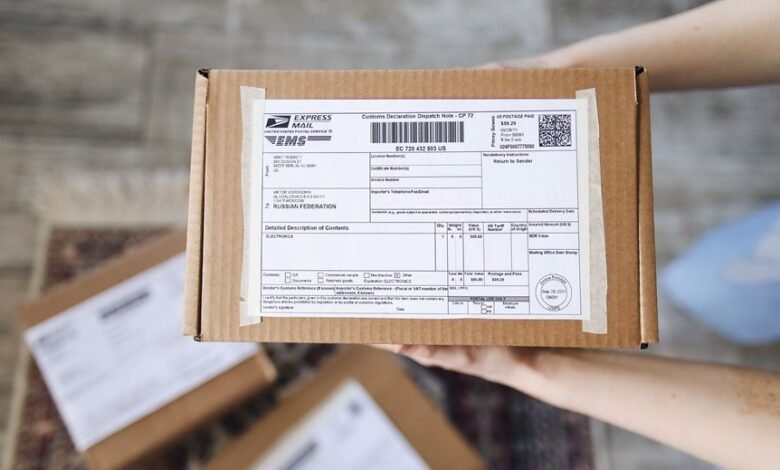
Customs documentation is the backbone of international shipping. Accurate forms, such as the commercial invoice, packing list, and bill of lading, must align with current regulations. Determining HS codes and required licenses early reduces delays. Meticulous data handling and precise product details are essential. The process from preparation to clearance is systematic and strict. A small omission can cascade into costly holds, so the next steps demand careful attention and discipline.
What Customs Documentation Is Required for International Shipments
What customs documentation is required for international shipments? The document set includes a commercial invoice, packing list, bill of lading or airway bill, and a certificate of origin when applicable. Additional forms may be needed for certain goods. Attention to compliance pitfalls and correct tariff classifications reduces delays, audits, and penalties, ensuring smooth clearance and predictable timelines.
How to Complete a Commercial Invoice and Packing List Accurately
To complete a commercial invoice and packing list accurately, shipactors should ensure that every entry reflects current regulations and precise product details, avoiding ambiguity that could delay clearance.
Meticulous data entry emphasizes proper packaging and labeling accuracy, with consistent unit measures, clear descriptions, and harmonized values.
Documentation remains compliant, auditable, and accessible, supporting efficient customs processing and predictable, freedom-oriented trade outcomes.
How to Determine HS Codes and Import Licenses for Your Goods
Determining HS codes and import licenses requires a structured, data-driven approach: compile product specifications, consult harmonized tariff schedules, and verify licensing requirements against destination country regulations. The process emphasizes accuracy, documentation, and standardized classifications. Analysts assess product components, intended use, and value flow to assign HS codes and identify necessary import licenses, ensuring compliance, traceability, and timely clearance for international shipments.
How to Avoid Common Customs Compliance Mistakes and Delays
Avoiding common customs compliance mistakes and delays hinges on rigorous process discipline and attention to regulatory detail.
The approach emphasizes accurate documentation, timely filings, and verified classifications to minimize errors.
Proactive risk assessment identifies potential compliance pitfalls before submission.
Standardized data handling and cross-checking with authorities reduce ambiguity, while clear audit trails support accountability.
Ultimately, avoiding delays requires disciplined governance, meticulous recordkeeping, and consistent compliance mindset.
Step-By-Step Checklist: From Shipment Preparation to Clearance Approval
From shipment preparation to clearance approval, the Step-By-Step Checklist provides a structured sequence of actions, with each stage clearly defined and time-bound. It emphasizes meticulous documentation, early verification of customs paperwork, and proactive risk assessment.
Compliance-focused notes guide risk mitigation, enhance shipment compliance, and ensure timely approvals, minimizing delays while preserving operational freedom for stakeholders navigating international trade requirements.
Frequently Asked Questions
How Often Do Customs Rules Change for Specific Countries?
The frequency varies, with frequent rule changes occurring irregularly; updates are often country specific, requiring ongoing monitoring. In practice, shipments may encounter revisions within months or even weeks, so a diligent practitioner tracks country specific updates consistently.
Can I Use Digital Documents for All Customs Processes?
Digital documents do not universally replace all customs processes; some jurisdictions require paperwork or physical copies. The system favors digital formats, yet documentation formats and customs verification remain essential, with continued adherence to paper-based paperwork requirements where applicable for freedom-minded users.
What Penalties Arise From Misdeclared Goods?
Misdeclared goods incur penalties including fines and seizure; misdeclared value penalties and misclassified goods penalties apply. The interpretation emphasizes strict compliance, risk calculation, and disciplined documentation, ensuring operations pursue lawful freedom within regulatory constraints rather than evasion or ambiguity.
How Do Free Trade Agreements Affect Duties and Eligibility?
Free trade agreements reduce duties eligibility and streamline documentation changes; thus, goods may qualify for preferential rates. Misdeclaration penalties apply, though customs holds assistance and digital processes facilitate compliance, ensuring precise, meticulous handling for those seeking freedom in trade.
Who Can Assist if My Shipment Is Held at Customs?
Customs brokers and freight forwarders can assist if a shipment is held at customs, providing documentation, liaison, and problem resolution. They evaluate admissibility, coordinate with authorities, and ensure compliance, enabling timely release and continued, compliant cross-border movement.
Conclusion
In summary, meticulous preparation and precise documentation drive smooth customs clearance. Accurate invoices, packing lists, HS codes, and licenses reduce delays and inspection risks, while proper labeling and timely filings safeguard compliance. A disciplined data-handling approach ensures traceability from origin to destination, supporting efficient transit and risk management. The process is a well-tuned mechanism: when each part aligns, the shipment moves like a calibrated clockwork engine, revealing that clarity and rigor are the true engines of international trade.