How Homeowners Can Make Smarter Roofing Decisions Before Small Problems Become Expensive Repairs

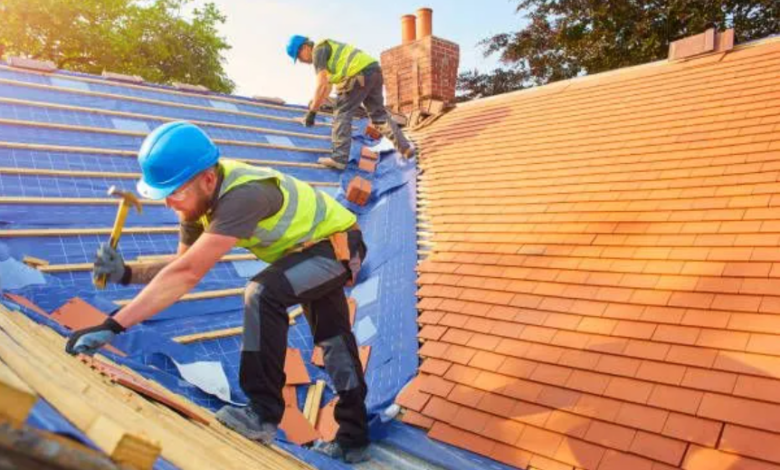
A roof rarely demands attention at a convenient time. Most homeowners only start thinking seriously about it after a leak appears, shingles go missing, or a storm leaves visible damage behind. By that point, what could have been a manageable repair may have already turned into a larger and more expensive project.
The good news is that better roofing decisions usually start long before an emergency. When homeowners understand what to watch for, what questions to ask, and how to plan ahead, they are far more likely to protect both their property and their budget.
Why Roofing Problems Often Go Unnoticed
Roofs do their job quietly, which is exactly why issues are easy to miss. Unlike a kitchen appliance or HVAC system, a roof does not usually give obvious warnings until damage has already progressed. A minor crack, lifted shingle, or flashing issue can let moisture in slowly over time, causing hidden deterioration in decking, insulation, or ceilings.
Many homeowners assume that if there is no active leak inside the home, the roof must still be in good condition. In reality, roof damage often develops in stages. Wind, sun exposure, heavy rain, temperature swings, and aging materials all contribute to gradual wear. Even newer roofs can experience localized problems if installation details were overlooked or storm impact occurs.
This is why roofing should be treated as preventive home maintenance rather than a last-minute emergency category.
See also: Why Choose 4K Cameras for Home Surveillance?
The Early Warning Signs Worth Taking Seriously
Understanding the most common signs of roof trouble can help homeowners act before a small concern grows into a major repair bill. Some warnings are visible from the ground, while others show up inside the home.
Here are a few signs that should never be ignored:
- Missing, curling, or cracked shingles
- Dark streaks or patches that suggest trapped moisture
- Granules collecting in gutters
- Sagging rooflines or uneven areas
- Water stains on ceilings or upper walls
- Damp attic insulation or musty odors
- Flashing that appears loose or rusted
- Debris buildup in roof valleys or drainage areas
Not every sign means a full replacement is necessary, but each one deserves attention. The key is to respond early instead of waiting for a dramatic failure.
What Makes a Roofing Project Successful
A successful roofing project is about much more than replacing visible materials. Long-term performance depends on a combination of product quality, installation skill, ventilation, drainage planning, and ongoing maintenance. Homeowners who focus only on the lowest quote often miss the bigger picture.
Materials Matter, but Installation Matters More
Even high-quality roofing materials can underperform when installed incorrectly. Misaligned shingles, poor fastening techniques, bad flashing work, and inadequate sealing can all shorten the life of a roof. On the other hand, a properly installed system can help a home withstand weather more effectively and reduce future repair needs.
Ventilation Plays a Bigger Role Than Many Realize
Roof ventilation affects temperature regulation and moisture control. Without proper airflow, heat and humidity can build up in the attic, which may contribute to mold, material breakdown, and higher energy strain. A roof is not just the outer layer of the home. It is part of a larger system that must work together.
Drainage Should Never Be an Afterthought
Water needs a clear path off the roof. If gutters, downspouts, valleys, or drainage channels are compromised, standing water can begin to wear down materials faster. Good roofing decisions always account for how rainwater moves across and away from the structure.
Questions Homeowners Should Ask Before Hiring a Roofing Contractor
Choosing the right contractor can shape the outcome of the entire project. Homeowners do not need to become roofing experts, but they should know how to evaluate whether a company is approaching the work with professionalism and care.
A few smart questions include:
- What condition is the current roof in, and what evidence supports that assessment?
- Is repair a realistic option, or is replacement the better long-term value?
- What materials are being recommended, and why?
- How will flashing, ventilation, and drainage be addressed?
- What is included in the estimate besides surface materials?
- What kind of project timeline should be expected?
- How will the property be protected during the work and cleaned afterward?
When homeowners want a better sense of what professional roofing services may involve, reviewing a company such as idealprecisionroofing.com can provide useful context for the kinds of solutions, service areas, and roofing priorities that often shape a well-planned project.
Repair or Replace? How to Think Through the Decision
One of the most common homeowner dilemmas is whether to repair the roof or replace it entirely. There is no universal answer, because the right decision depends on age, damage extent, material condition, and future plans for the property.
A repair may make sense when the issue is isolated, the surrounding roof is still in solid condition, and the materials have reasonable remaining life. For example, replacing a small number of damaged shingles or resealing flashing can be a practical and cost-effective option.
A replacement may be the better investment when problems are widespread, recurring leaks continue to appear, or the roof is nearing the end of its service life. In these situations, repeated patchwork can become more expensive over time than addressing the system as a whole.
Homeowners should also think about their timeline. Someone planning to stay in the home for many years may value durability and reduced maintenance. Someone preparing to sell may focus on curb appeal, buyer confidence, and avoiding surprises during inspection.
How Preventive Maintenance Protects Your Budget
Roofing costs tend to rise when action is delayed. That is why preventive maintenance offers real financial value. Routine inspections, seasonal cleanup, and early repairs can help extend the useful life of the roof and reduce the chances of interior damage.
A Simple Maintenance Approach
Homeowners do not need an overly complicated plan. In most cases, a practical approach includes:
- Checking the roof visually after major storms
- Keeping gutters and drainage paths clear
- Watching for signs of interior moisture
- Scheduling periodic professional inspections
- Addressing minor damage before the next severe weather event
This kind of consistency can make a meaningful difference. It also gives homeowners more control, because planned maintenance is far easier to manage than an emergency repair during a busy season.
Roofing Decisions Are Really Home Protection Decisions
A roof affects more than the top of the house. It protects insulation, framing, ceilings, possessions, indoor comfort, and long-term property value. When homeowners treat roofing decisions seriously and proactively, they create fewer surprises and better outcomes over time.
The best approach is not to wait for obvious failure. It is to notice early signs, ask better questions, and work from a long-term perspective. Whether the next step is a simple repair, a preventive inspection, or a complete replacement, informed homeowners are always in a stronger position to make choices that protect both their home and their peace of mind.