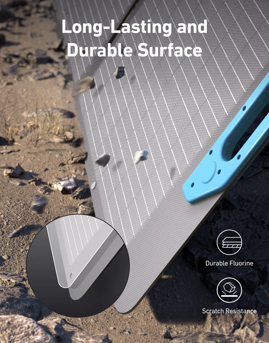
Packing for camping or road travel already requires balancing weight, space, and practicality. When portable solar panels enter the equation, those decisions shift in meaningful ways. Travelers begin planning not just for shelter, food, and clothing, but also for energy needs—how to collect it, store it, and use it efficiently. A panel becomes part of a broader power strategy, influencing what devices travelers bring, how they organize their loadouts, and how they prepare for days without outlets. The Anker SOLIX PS100 Portable Solar Panel offers advantages such as light weight, foldable portability, durable ETFE coating, and 23% conversion efficiency, making it a dependable choice. Still, the presence of a panel reshapes packing decisions in ways that travelers should understand before heading out.
How Solar Panels Change What Campers Choose to Pack
Travelers Prioritize Power-Dependent Gear When Renewable Energy Is Available
When campers know they have reliable solar charging, they often feel more comfortable packing devices that would otherwise drain their batteries too quickly. This influences everything from communication tools to comfort items. A foldable, easy-to-carry panel like the PS100 encourages travelers to bring GPS units, rechargeable lights, cameras, portable fans, small coolers, and other electronics. These items would be harder to justify without a dependable charging method. With 23% conversion efficiency and four tilt settings, the panel provides steady energy production throughout the day, meaning travelers no longer need to ration device usage. This shift leads people to pack more rechargeable versions of essential gear, reducing reliance on disposable batteries and creating a more sustainable loadout.
Spare Batteries Become Less Necessary, Reducing Weight and Bulk
Before solar options were common, many campers packed several backup battery banks or extra AA/AAA batteries to power gear for extended trips. But bringing multiple power banks increases weight and takes up precious space. When travelers add solar to their setup, they often reduce the number of spares they carry because they can recharge banks, phones, lanterns, and other electronics directly during daylight hours. The PS100’s stable MC4 connection ensures efficient energy transfer, minimizing wasted sunlight. By replacing multiple heavy battery packs with one lightweight 4.4 kg panel, travelers free up room in backpacks or vehicles. This creates a more streamlined packing strategy and improves overall mobility on the trail or at camp.
Weatherproof Gear Gains Importance to Support Outdoor Charging
Because a solar panel collects power outdoors regardless of conditions, travelers rethink their packing priorities. They begin choosing gear that works well alongside a weather-exposed charging system. The portable solar panels PS100’s IP67 waterproof rating protects it during rain, dew, or accidental splashes, which gives travelers confidence to set it up without fear of damage. To complement this, people often pack weather-resistant storage bags, protective cable wraps, and durable power stations with rugged casings. They also include microfiber cloths to wipe off dust or moisture from the panel. Packing becomes centered around maintaining a clean, functional charging setup rather than simply protecting sensitive devices from the outdoors.
How Solar Panels Change Packing Organization and Energy Planning
Travelers Designate Space for Solar Gear and Cable Management
Packing becomes more deliberate once solar enters the picture. A foldable panel—especially one the size of the PS100—requires a planned storage spot in the car, backpack, or gear bin. Its slim profile fits easily against flat surfaces, but travelers must also pack extension cables, connectors, and sometimes a compatible power station. The PS100 includes MC4 cables and adapters, all of which require their own storage pockets for quick access. This motivates travelers to use organizers, pouches, or mesh pockets to keep solar gear consolidated and ready for deployment. A clean packing system ensures the panel can be unfolded quickly at trailheads, campsites, or rest stops without digging through bags to find the right cables.
See also: Advancing Patient Care Through Modern Infusion Technologies
Energy-Dependent Items Are Packed With a Clear Charging Strategy
When relying on solar, travelers pack not only devices but also an energy plan. They decide which items will charge first, which ones require the most sunlight, and which can wait until later in the day. A panel with four adjustable angles helps make this planning more effective. For example, travelers may pack their power bank where it is easy to access during morning sunlight, while placing cameras or GPS units where they can be charged in the afternoon. This level of planning influences item placement inside backpacks or vehicles—often prioritizing quick accessibility for the things that need frequent charging. The packing layout becomes a reflection of energy consumption patterns over the course of a trip.
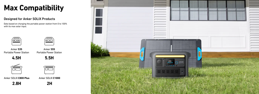
Minimalist Packing Becomes Easier Because Solar Supports Multi-Use Gear
Portable solar panels encourage travelers to choose devices that can recharge rather than disposable alternatives. This simplifies packing by reducing redundancy. Instead of bringing multiple lanterns, travelers bring one rechargeable lamp; instead of several sets of batteries, they bring a power station that the panel can refill. The PS100’s ETFE coating ensures durability even when placed on rocky or uneven terrain, giving travelers confidence that one panel can withstand a full trip. As a result, they pack fewer backups and rely more on a streamlined, core set of essentials. This reduces clutter and supports a minimalist packing philosophy that still covers all necessary power needs.
Conclusion
Portable solar panels reshape packing decisions by influencing what travelers bring, how they organize their gear, and how they plan for energy use throughout their trip. They allow people to pack more rechargeable devices, reduce dependence on bulky spare batteries, and adopt accessories that complement outdoor charging. They also affect gear placement, cable management, and item accessibility, turning packing into a thoughtful system that supports reliable daylight charging. The Anker SOLIX PS100 Portable Solar Panel—with its 23% efficiency, durable ETFE coating, adjustable angles, stable MC4 connection, and IP67 waterproof build—fits seamlessly into this planning process. When travelers understand how solar interacts with their packing routines, they create lighter, more flexible loadouts that fully leverage the benefits of portable solar panels, ensuring smoother and more sustainable adventures.