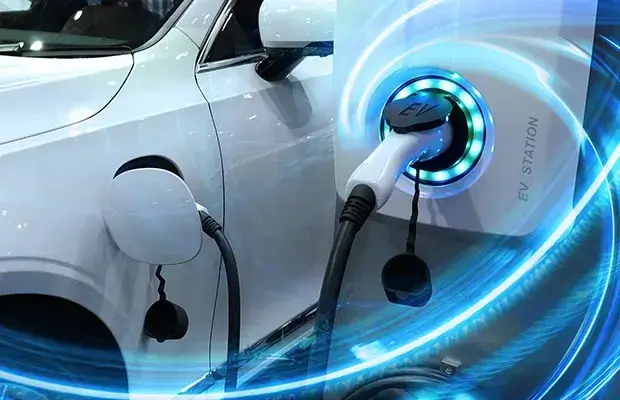
The rapid growth of electric vehicles is creating new opportunities for lubricant manufacturers, distributors, and automotive businesses. As EV technology develops, the demand for specialized fluids continues to increase. Working with a reliable electric vehicle fluid oil supplier can help businesses access products designed for electric drivetrains, thermal management systems, and other essential vehicle components. Selecting the right supplier is therefore an important step toward maintaining product quality and building long-term customer relationships.
Why Electric Vehicles Require Specialized Fluids
Electric vehicles operate differently from conventional petrol and diesel vehicles. Although they have fewer traditional engine components, they still depend on specialized fluids to support performance, temperature control, and component protection.
For example, electric drive systems generate heat during operation. Gear systems also require suitable lubrication to manage friction and reduce wear. Battery packs and related electrical components may use dedicated thermal management fluids to help maintain appropriate operating temperatures.
These requirements mean that traditional automotive lubricants cannot automatically be considered suitable for every electric vehicle application. Fluid specifications, material compatibility, electrical properties, and operating conditions must all be evaluated before selecting a product.
Important Qualities to Consider in EV Fluids
When evaluating electric vehicle fluids, businesses should look beyond product availability and consider the technical characteristics that influence performance.
Thermal management: Effective heat transfer helps maintain stable operating temperatures. This is particularly important for systems that experience changing workloads and demanding driving conditions.
Wear protection: Electric drive units contain mechanical components that require reliable lubrication. Appropriate formulations can help reduce friction and support component durability.
Material compatibility: EV fluids may come into contact with metals, seals, polymers, and electrical components. Compatibility testing helps reduce the risk of unwanted material reactions.
Oxidation stability: Fluids exposed to heat and extended operating periods need suitable resistance to oxidation. This can support consistent performance throughout their intended service life.
Electrical properties: Certain EV applications require fluids with carefully controlled electrical characteristics. Buyers should review technical documentation to confirm that a product meets the requirements of its intended system.
How to Evaluate a Potential Supplier
Choosing a supplier involves more than comparing prices. Automotive distributors and wholesalers should assess product quality, technical support, customization options, and the supplier’s ability to support future business growth.
Start by reviewing the available product range. A supplier offering different EV-related fluids may provide more flexibility when serving customers with varied vehicle and system requirements.
Next, request technical data sheets and relevant quality documentation. These materials help buyers understand product specifications, recommended applications, storage conditions, and compatibility limitations. It is also useful to ask about quality control procedures and available testing information.
Supply flexibility is another important consideration. Businesses entering the EV lubricant market may prefer suppliers that offer manageable minimum order quantities, private-label opportunities, and support for expanding distribution networks.
Opportunities for EV Lubricant Distributors
The electric vehicle market is developing across multiple regions, creating opportunities for distributors to introduce specialized maintenance products. Workshops, automotive retailers, fleet operators, and parts wholesalers may all require reliable access to suitable EV fluids as vehicle adoption increases.
However, successful distribution depends on understanding local demand and educating customers. Buyers need clear information about product applications, specifications, and compatibility rather than broad claims about universal performance.
Distributors can strengthen their market position by working with suppliers that provide consistent product information, dependable communication, and practical business support. Building trust through accurate product recommendations can also encourage repeat purchases.
Building a Long-Term Supplier Partnership
The EV lubricant industry will continue to evolve as manufacturers introduce new drivetrain designs and thermal management technologies. Businesses should therefore choose partners that understand changing technical requirements and can support their future product needs.
A dependable supplier combines suitable formulations, transparent documentation, consistent quality practices, and flexible commercial arrangements. By carefully assessing these factors, distributors and automotive businesses can make informed purchasing decisions.
As electric mobility expands, specialized fluids will remain an important part of vehicle performance and maintenance. Establishing a strong supplier relationship today can help businesses prepare for changing customer expectations and participate confidently in the growing electric vehicle market.