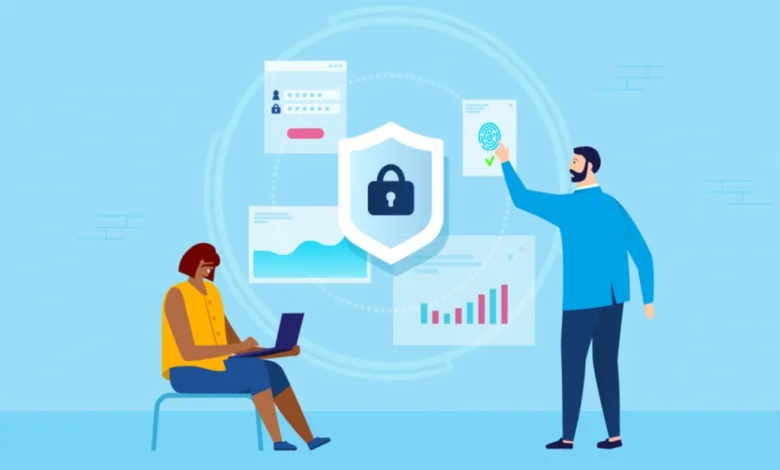
Premium digital media represents significant creative, financial, and commercial value. Whether it is a live sports broadcast, exclusive series, educational course, or premium video, businesses invest heavily in creating and distributing valuable content. Protecting that investment becomes increasingly important as media moves across platforms, devices, and networks. A strong approach to digital content protection helps businesses control access, reduce unauthorized distribution, and maintain greater control over their media assets without creating unnecessary barriers for legitimate viewers.
Understanding the Security Needs of Premium Digital Media
Premium media passes through several stages before reaching its intended audience. Content may be created, encoded, packaged, stored, distributed, and finally streamed through different platforms and devices. Each stage can create potential opportunities for unauthorized access, copying, or redistribution.
This makes content security more than a playback concern. Businesses need a strategy that considers the complete content lifecycle. At the same time, security measures should support a convenient viewing experience, allowing authorized audiences to access content without unnecessary complexity.
Building a Layered Approach to Media Security
A strong security strategy does not depend on a single technology. Different security layers can address different risks, from unauthorized access to content leakage and piracy. Combining these measures allows businesses to create stronger protection around premium media.
1. Secure Content Through Encryption
Encryption helps protect media by converting content into a protected format that cannot be meaningfully accessed without proper authorization, making it particularly important when premium content is stored or transmitted across networks. When encryption works alongside licensing and access controls, businesses can create an additional barrier against unauthorized use while ensuring that protected media remains available to viewers with the appropriate permissions.
2. Control Access With Digital Rights Management
Digital Rights Management, commonly known as DRM, helps businesses manage how protected content is accessed and consumed by working with licensing systems to provide authorized users and supported devices with the permissions required for playback. For streaming services and other media platforms, DRM helps maintain control over valuable video while supporting legitimate consumption across compatible devices, making it an important part of a broader security framework.
3. Identify Unauthorized Content With Watermarking
Forensic watermarking can add identifiable information to digital media without changing the viewing experience, allowing businesses to trace the source if protected content appears on an unauthorized website or platform. This capability is especially valuable for high-value content, live events, and premium releases because it adds traceability to the security strategy and complements preventive measures designed to reduce unauthorized distribution.
4. Monitor Threats Across Distribution Channels
Security becomes more effective when businesses can identify suspicious activity quickly, with monitoring helping organizations detect unauthorized links, leaked content, and potential piracy activity across relevant digital channels. Continuous visibility allows security teams to understand where protected media is appearing and respond before unauthorized distribution expands, making monitoring an important part of proactive content security.
5. Strengthen the Response to Digital Piracy
Detecting piracy is only one part of protecting premium media, as businesses also need a structured response when they discover unauthorized content. This can involve verifying infringements, initiating takedown requests, supporting enforcement actions, and tracking results, helping reduce the time between detecting unauthorized distribution and taking appropriate action while providing insights into recurring piracy patterns that can strengthen future protection strategies.
Protecting Content Beyond the Streaming Platform
Security should not stop once content reaches a legitimate streaming platform. Premium media can still be captured, copied, and redistributed through unauthorized websites, social platforms, file-sharing services, and other digital channels.
A comprehensive digital content protection strategy can address these risks through multiple connected layers. Encryption and DRM can help control access, while forensic watermarking can provide traceability. Anti-piracy monitoring can then identify unauthorized distribution and support appropriate enforcement.
This combination allows businesses to think about security beyond their own infrastructure. Instead of reacting only after content has been widely shared, organizations can create a framework designed to prevent, identify, and respond to content misuse.
See also: Optimizing Travel Merchant Account Compliance for Business Growth
Key Practices for Stronger Premium Media Security
Businesses can strengthen their premium media security strategy by focusing on several practical measures:
- Encrypt premium content throughout its distribution lifecycle.
- Implement DRM-based access and licensing controls.
- Use forensic watermarking for valuable video assets.
- Monitor digital channels for unauthorized content distribution.
- Establish clear piracy detection and takedown procedures.
These practices provide different layers of protection and can work together as part of a broader media security framework. A combination of prevention, monitoring, traceability, and response can help businesses protect valuable content more effectively.
Creating Security Without Disrupting the Viewer Experience
Premium media security should operate effectively without making legitimate viewers struggle to access content. Businesses therefore need to consider usability alongside protection when selecting and implementing security technologies.
Device compatibility, authentication, licensing, playback performance, and platform integration all influence the viewer experience. A well-designed security framework can protect content while allowing authorized audiences to access it through supported devices and services.
This balance is particularly important for streaming, sports, entertainment, education, and other media-focused businesses. Strong protection should support the customer experience rather than becoming an obstacle to it.
Conclusion
Securing premium digital media requires businesses to protect content throughout its journey, from preparation and distribution to playback and monitoring. Encryption, DRM, forensic watermarking, and anti-piracy measures each address different risks, while combining them can create a stronger and more comprehensive security framework.
If you are looking for a reliable way to secure premium media, Doverunner provides integrated solutions including Multi-DRM, forensic watermarking, anti-piracy, and content packaging. Its security solutions help businesses protect valuable content, address unauthorized distribution, and support secure digital delivery.