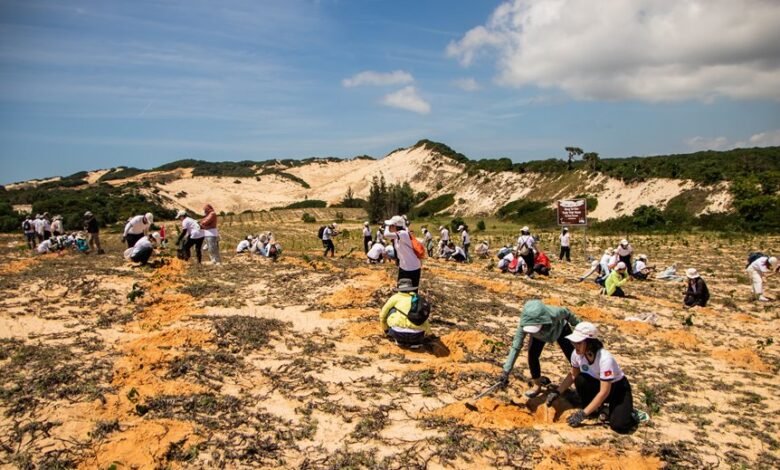
Local conservation can be advanced through ordinary choices that accumulate over time. The guide highlights practical actions—shopping locally, reducing waste, eating seasonally, and supporting greenspace restoration—that collectively support ecosystems and community resilience. It links personal habits to measurable gains in water protection, energy use, and biodiversity, while inviting participation in cleanup events and local governance. The approach invites readers to consider how small changes might reshape local landscapes and policies, if they choose to engage further.
How Everyday Actions Grow Local Conservation
Everyday actions can accumulate into meaningful conservation outcomes by shaping local ecosystems, economies, and communities. Small choices—from preserving greenspace to supporting restoration projects—build resilient habitat health and nurture pollinator protection. Local participation translates into measurable gains: improved biodiversity, cleaner water, and safer corridors for wildlife. The cumulative impact empowers communities to sustain long-term environmental benefits while retaining individual autonomy and freedom of choice.
Shop Local, Waste Less, and Eat Green
Shop locally, reduce waste, and choose green where possible to support neighborhood ecosystems and economies. The approach emphasizes buy local, conserve resources, reduce waste, and support biodiversity through choices that favor short supply chains, seasonal ingredients, and durable goods.
Evidence suggests local procurement boosts soil health and biodiversity while lowering transport emissions, aligning personal freedom with community resilience and sustainable growth.
Take Part: Community Cleanup and Greenspace Actions
Community cleanup events and greenspace actions offer practical avenues for residents to enhance local ecosystems and improve neighborhood livability.
These initiatives demonstrate tangible benefits: reduced litter, healthier habitats, and cleaner public spaces.
Participation supports local stewardship, builds social ties, and fosters ongoing care.
Clear evidence links organized efforts to measurable improvements, encouraging sustained engagement in community cleanup and greenspace actions.
Protect Water, Energy, and Biodiversity at Home
Protecting water, energy, and biodiversity at home involves practical, evidence-based steps that households can implement to reduce waste and protect local ecosystems.
This approach emphasizes water stewardship and energy efficiency, guiding daily choices such as efficient appliances, mindful irrigation, and responsible waste management.
Clear, accessible actions support resilient local habitats while preserving individual freedom to participate in conservation.
Advocate and Learn: Turning Habits Into Local Policy Support
Advocating for policy change begins with understanding how individual habits translate into collective influence. The section explains how advocacy basics connect daily actions to governance, outlining steps to build policy literacy without jargon.
It shows how habits to policy can scale from personal choices to community discussions, then to formal channels, empowering readers to influence decisions while preserving freedom and responsibility.
Frequently Asked Questions
How Can I Measure My Individual Impact on Local Conservation?
Measuring impact requires tracking outcomes, not hours. Local volunteering can monitor metrics like tree seedlings planted, invasive species removed, or habitat restoration progress, then compare against baselines to assess net benefits for biodiversity and community well-being.
Which Local Programs Welcome Short-Term Volunteering?
Briefly, local programs welcoming short-term volunteering exist, with clear rosters and flexible shifts. The report notes local volunteers contribute to community benefits, while organizations provide structured onboarding and measurable outcomes, aligning with populations seeking freedom and accessible, evidence-based involvement.
Are There Funding Options for Small Conservation Projects?
Funding options exist for small conservation projects, including small grants from foundations, government programs, and community funds. Organizations should identify needs, craft concise proposals, and demonstrate measurable impact to securely access these resources for grassroots initiatives.
How Do I Verify the Credibility of Local Eco-Claims?
Credibility of local eco-claims should be evaluated through independent verification and transparent data, avoiding credibility myths. The approach emphasizes documented results and local partnerships, enabling resilient, freedom-centered participation while ensuring claims align with verifiable conservation outcomes.
What Mistakes Should I Avoid When Starting in Conservation?
A cautionary map unfurls: mistakes to avoid include overpromising outcomes and misallocating resources, while conservation missteps arise from ignoring local knowledge. It prioritizes evidence, clarity, and accessible language for an audience seeking freedom and informed action.
Conclusion
In a world where superheroes shop at power centers and litterbugs become legends, ordinary actions do the real heavy lifting. The guide argues that local conservation isn’t a mystic spell but a menu: buy local, waste less, protect water, and join cleanups. Evidence shows these choices boost biodiversity, soil health, and community resilience. So, swap a faceless commute for a greenspace stroll, and let everyday habits politely stage a coup: meaningful policy, measurable gains, and a cleaner, livelier neighborhood. Satire served, science-backed.