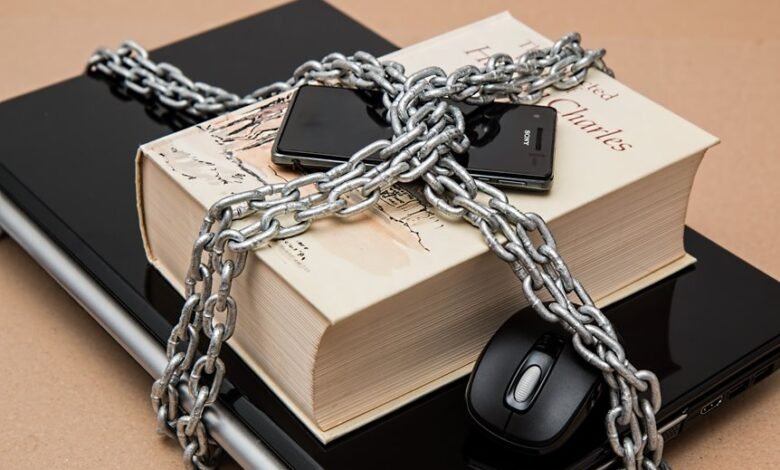
Travelers face a simple risk: public networks can expose data and devices. This guide outlines practical steps to choose safe networks, enable encryption, and minimize risk with selective VPN use. It also covers keeping devices current and managing app permissions, plus quick habits that reduce exposure on the road. The method is straightforward, but decisive actions matter. A careful approach now may prevent costly compromises later, leaving one question unresolved and the next section worth pursuing.
How to Choose Safe Networks on the Road
Choosing safe networks on the road starts with awareness of common risks and deliberate verification of the network’s legitimacy. The approach emphasizes evidence-based selection, trusted providers, and minimal data exposure. Travelers pursue secure networks that avoid public hotspots when possible, favoring known aggregators or personal hotspots. This discipline protects travel privacy without compromising access, speed, or reliability for essential tasks.
Turn on Encryption and Bracket Your Privacy
Turning on encryption and bracketing privacy begins with enabling end-to-end or device-level protections to shield data in transit and at rest.
The guidance emphasizes deliberate safeguards that resist exposure through public networks.
A traveler should turn on encryption across apps and devices, and bracket your privacy by limiting data leakage, minimizing metadata, and choosing trusted configurations for sensitive communications.
Use a VPN: When, Why, and How to Pick One
VPNs are essential for travelers when public Wi-Fi is unavoidable, as they encrypt traffic and mask online activity from local observers and networks.
This section covers VPN basics, selection criteria, and practical use, focusing on security guarantees and user autonomy.
It notes privacy tradeoffs, including provider policies and potential data hashing.
The aim is informed, freedom-centered choices without overclaiming performance.
Keep Devices Updated and App Permissions in Check
Keeping devices updated and managing app permissions are essential for travel-security hygiene. A detached assessment notes that keep devices timely with security updates reduces exploit windows, while reviewing app permissions minimizes data exposure. Regularly verify that network encryption is enabled on connections, and limit unnecessary permissions. This disciplined approach preserves freedom without compromising safety or privacy goals.
Quick, Practical Safety Habits for Travelers
Quick, practical safety habits for travelers emerge from disciplined routines rather than dramatic actions. They emphasize consistent safe browsing practices and strict password hygiene, applied anywhere. Travelers should verify network legitimacy before login, avoid auto-fill on public devices, and use reputable VPNs when possible. Minimal screen exposure, regular logout, and keystroke awareness reinforce security without sacrificing freedom or efficiency.
Frequently Asked Questions
What Is the Best Way to Spot Rogue Wifi Hotspots?
The best way to spot rogue wifi hotspots is to scrutinize network names and certificates, noting spotting fake networks, identifying rogue hotspots, and avoiding untrusted public printers; evaluate shared device risks, VPN performance on mobile gaming, and streaming throttling with VPNs.
Can I Secure Public Printers and Shared Devices Too?
Yes, secure printers and shared devices can be protected; implement strong authentication, encrypted connections, updated firmware, and network segmentation. The approach emphasizes secure printers, restricted access, regular audits, and policy-driven controls to preserve user freedom and privacy.
How Often Should I Change Passwords While Traveling?
The answer: Change frequency should be flexible, but in travel contexts maintain strong password hygiene with updates every 1–3 months, or after suspected exposure; prolonged delays invite risk, undermining security objectives and personal freedom.
Are There Risks With Free Charging Stations and Cables?
Yes, there are risks with free charging stations and cables. Free charging can expose devices to malware and data theft; rogue hotspots may intercept traffic. Users should employ trusted outlets, portable chargers, and data-only connections to mitigate exposure.
Do VPNS Slow Down Gaming or Streaming on Mobile Networks?
VPN performance on mobile networks can slow gaming and streaming; however, impact varies. For gaming, expect reduced frame rates modestly; for streaming, increased latency may occur. Overall, VPNs trade speed for privacy, with notable variability across providers.
Conclusion
Travelers should treat every connection as potentially hostile and act accordingly. By verifying network legitimacy, favoring trusted providers, and encrypting data in transit, they reduce exposure on public Wi‑Fi. End-to-end protections, regular device updates, prudent app permissions, and deliberate VPN use when appropriate build robust defense. In short, secure habits and disciplined practices compound: a vigilant traveler is harder to chart—like a lighthouse in a fog—guiding safe online journeys with quiet, unwavering clarity.