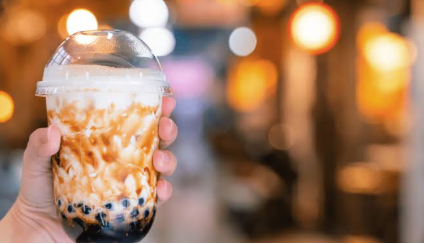
Boba tea is one of those drinks that can fit almost any mood. It can be creamy, fruity, refreshing, sweet, chewy, or dessert-like. Some people order classic milk tea for an afternoon boost, while others want something lighter that they can enjoy at night.
That is where caffeine free boba tea becomes important.
Many people assume that all boba drinks contain caffeine because the word “tea” is in the name. In reality, boba tea is a broad category. Some drinks are made with black tea, green tea, oolong tea, jasmine tea, or matcha, which naturally contain caffeine. Others are made with fresh milk, fruit bases, smoothies, herbal drinks, or tea-free recipes.
For customers who are sensitive to caffeine, ordering for children, avoiding late-night stimulants, or simply looking for a gentler drink, caffeine free boba tea can be a great choice.
What Is Caffeine Free Boba Tea?
Caffeine free boba tea is a boba drink that does not use caffeinated tea, coffee, matcha, or other stimulant-containing ingredients as the base.
The boba itself is usually not the source of caffeine. Tapioca pearls are made mainly from tapioca starch. Other toppings such as jelly, pudding, aloe, grass jelly, or popping boba are also generally caffeine-free unless they are flavored with tea, coffee, or chocolate ingredients.
The caffeine usually comes from the drink base.
That means a classic black milk tea with pearls is likely caffeinated, while a brown sugar fresh milk with pearls may be caffeine-free if no tea is added. A mango green tea contains caffeine because of the tea base, while a mango smoothie with boba may not.
The difference is small on the menu but important for the customer.
Why More Customers Are Choosing Caffeine Free Boba Tea
There are many reasons someone may look for caffeine free boba tea.
Some people are sensitive to caffeine and may feel jittery after drinking tea or coffee. Others avoid caffeine in the afternoon or evening because it affects their sleep. Parents may want to choose a drink that feels more suitable for children. Some customers may be pregnant, managing health concerns, or simply trying to reduce daily caffeine intake.
At the same time, customers still want the boba experience.
They want the chewy pearls, customizable sweetness, colorful drinks, and fun flavors. Choosing caffeine-free options allows them to enjoy the same experience without the extra stimulation.
For boba shops, this creates an opportunity to serve a wider audience. A menu that includes both caffeinated and caffeine-free choices feels more flexible and customer-friendly.
Common Caffeine Free Boba Tea Options
Brown Sugar Fresh Milk
Brown sugar fresh milk is one of the most popular caffeine-free-style boba drinks.
It usually combines fresh milk, brown sugar syrup, and tapioca pearls. Since it does not always include tea, it can be a good choice for customers avoiding caffeine.
However, customers should still ask the shop to confirm. Some stores may offer brown sugar milk tea, which contains tea, and brown sugar fresh milk, which may not.
Fruit Smoothies With Boba
Fruit smoothies are another common caffeine free boba tea option.
Mango, strawberry, taro, grape, peach, and passion fruit smoothies can be made without tea. They are often creamy, icy, and refreshing, making them popular for warm weather or dessert-style orders.
The key is checking whether the smoothie uses fruit and milk or whether it includes green tea as part of the recipe.
Fruit Infusions
Fruit infusions can be light and refreshing.
Drinks made with mango, lychee, passion fruit, lemon, or other fruit flavors may be caffeine-free when they are not blended with green tea, black tea, or jasmine tea.
Some fruit teas contain caffeine because they use tea as the base. Fruit infusions or juice-based drinks are usually better options for customers who want to avoid caffeine.
Herbal or Grain-Based Drinks
Some shops may offer herbal drinks or grain-based drinks such as barley tea.
These can be naturally caffeine-free depending on the ingredient. They may also offer a lighter flavor profile than creamy milk drinks.
For customers who want something less sweet, herbal or grain-based boba drinks can be a practical choice.
Flavored Milk Drinks
Flavored milk drinks can also be caffeine-free if they do not contain tea, coffee, matcha, or cocoa.
Vanilla milk, honey milk, strawberry milk, taro milk, or cookies-and-cream milk drinks may work well with tapioca pearls or jelly toppings.
Again, the recipe matters. Taro milk may be caffeine-free, but taro milk tea is usually caffeinated if it contains a tea base.
Caffeine Free Boba Tea vs. Tea-Based Boba
The main difference between caffeine free boba tea and tea-based boba is the drink base.
Tea-based boba uses black tea, green tea, jasmine tea, oolong tea, or matcha. These drinks have more tea flavor and may provide a mild energy lift. They are popular for customers who enjoy the balance of tea, milk, sweetness, and toppings.
Caffeine-free boba uses milk, fruit, smoothies, herbal bases, or other non-tea ingredients. These drinks are often better for evening orders, kids, caffeine-sensitive customers, or anyone who wants a softer drink experience.
Both categories can be delicious. The best choice depends on lifestyle, timing, and personal preference.
How to Order Caffeine Free Boba Tea at a Shop
Ordering caffeine free boba tea is easier when you know what to ask.
Start by checking whether the drink contains black tea, green tea, oolong tea, jasmine tea, matcha, coffee, or chocolate. If it does, it may contain caffeine.
Next, look for menu categories such as fresh milk, smoothies, fruit drinks, herbal drinks, or caffeine-free selections. These are more likely to include tea-free choices.
Customers can also ask simple questions:
- Does this drink use a tea base?
- Can this be made without tea?
- Is this fresh milk or milk tea?
- Do you have caffeine-free options?
- Which drinks are best for children or evening orders?
These questions help avoid confusion, especially when drink names are similar.
Why Menu Labels Matter
For boba shops, caffeine-free options should be easy to identify.
A customer should not have to guess whether a drink contains caffeine. Clear labels can improve ordering speed and make the menu feel more welcoming.
Labels such as “caffeine-free,” “tea-free,” “fresh milk,” or “kid-friendly option” can help customers choose faster. Staff should also be trained to explain the difference between milk tea and fresh milk drinks.
This is especially useful during busy hours, when long explanations can slow down service.
Enjoying Boba Without Caffeine
Caffeine-free does not mean boring.
A caffeine free boba tea can still be rich, flavorful, and fun. Customers can choose brown sugar syrup, fresh fruit, smoothies, milk bases, chewy pearls, pudding, jelly, aloe, or popping boba.
The experience is still customizable. Customers can adjust sweetness, ice level, toppings, and size.
For many people, caffeine-free drinks make boba more flexible. They can enjoy it after dinner, share it with children, or choose it on days when they do not want extra stimulation.
Conclusion
Caffeine free boba tea gives customers a way to enjoy bubble tea without relying on caffeinated tea bases. While classic milk tea, green tea, oolong tea, jasmine tea, and matcha drinks usually contain caffeine, many fresh milk, smoothie, fruit infusion, and herbal options can be caffeine-free.
The key is understanding the drink base. Once customers know the difference between milk tea and fresh milk, fruit tea and fruit infusion, or matcha and taro milk, ordering becomes much easier.