Maintaining a sparkling clean pool has traditionally meant hours of manual labor—skimming leaves, brushing walls, vacuuming debris, and constantly monitoring water chemistry. For many pool owners, this weekly ritual transforms what should be a backyard oasis into a demanding chore. Robotic pool cleaners have emerged as a game-changing solution, offering hands-free operation that handles the heavy lifting while you focus on actually enjoying your pool. But with dozens of models flooding the market, each boasting different capabilities and price points, selecting the right one can feel overwhelming. How do you determine which robotic cleaner truly matches your pool’s unique requirements? The answer lies in understanding several critical decision factors—from filtration system design and navigation technology to energy consumption and smart connectivity features. Whether you’re managing a compact plunge pool or a large freeform design, this guide will walk you through everything you need to evaluate, helping you invest confidently in a robotic pool cleaner that delivers reliable, efficient performance for years to come.
The Evolution and Key Benefits of Robotic Pool Cleaners
Pool cleaning technology has undergone a remarkable transformation over the past few decades. Early automated systems relied on the pool’s existing filtration pump to generate suction or pressure, dragging simple cleaning heads across the floor in random patterns. These first-generation devices often missed spots, struggled with walls, and added strain to the pool’s circulation system. The introduction of self-contained robotic technology in the 1990s represented a fundamental shift—these units carried their own motors, filtration, and increasingly sophisticated onboard computers, operating independently from the pool’s plumbing entirely.
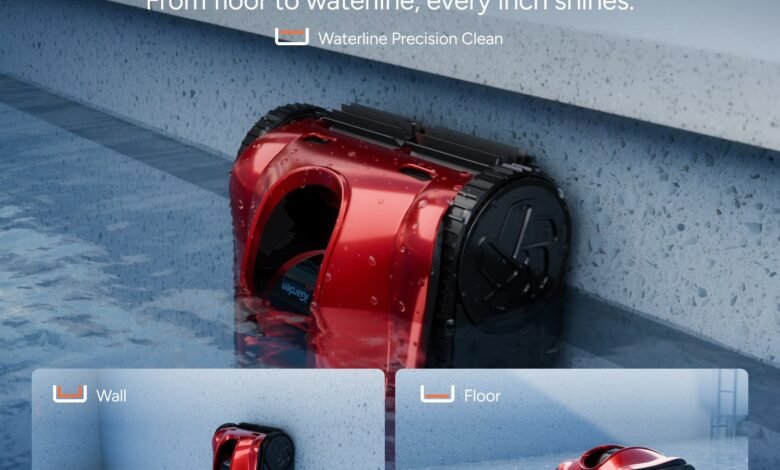
Today’s robotic pool cleaners deliver cleaning efficiency that manual methods simply cannot match. A modern unit can systematically cover every square inch of a pool’s floor, walls, and waterline in a single cycle, removing particles as small as two microns that would pass through standard pool filters. This thoroughness translates directly into improved water clarity and reduced chemical demand, since less organic matter remains to consume sanitizer. Energy savings represent another compelling advantage—robotic cleaners typically consume less electricity in a full cleaning cycle than running your pool’s main pump for an equivalent period. The automation factor eliminates the need for weekly hands-on scrubbing sessions, freeing up hours that pool owners can redirect toward relaxation. Compared to suction-side and pressure-side alternatives, robotic cleaners offer superior debris capture, independent operation that doesn’t tax your existing equipment, and programmable schedules that keep your pool perpetually swim-ready without any intervention.
See also: How AI Video Generator Fits Prompt Technique
Core Features to Evaluate: Filtration Systems and Performance
The filtration system is arguably the most consequential component of any robotic pool cleaner, directly determining how effectively the unit captures and retains debris. A cleaner might navigate flawlessly and cover every surface, but if its pool filter system allows fine particles to escape back into the water, you’ll still face cloudy conditions and elevated chemical demand. Understanding filtration options—and how they interact with your specific pool environment—is essential before committing to any model.
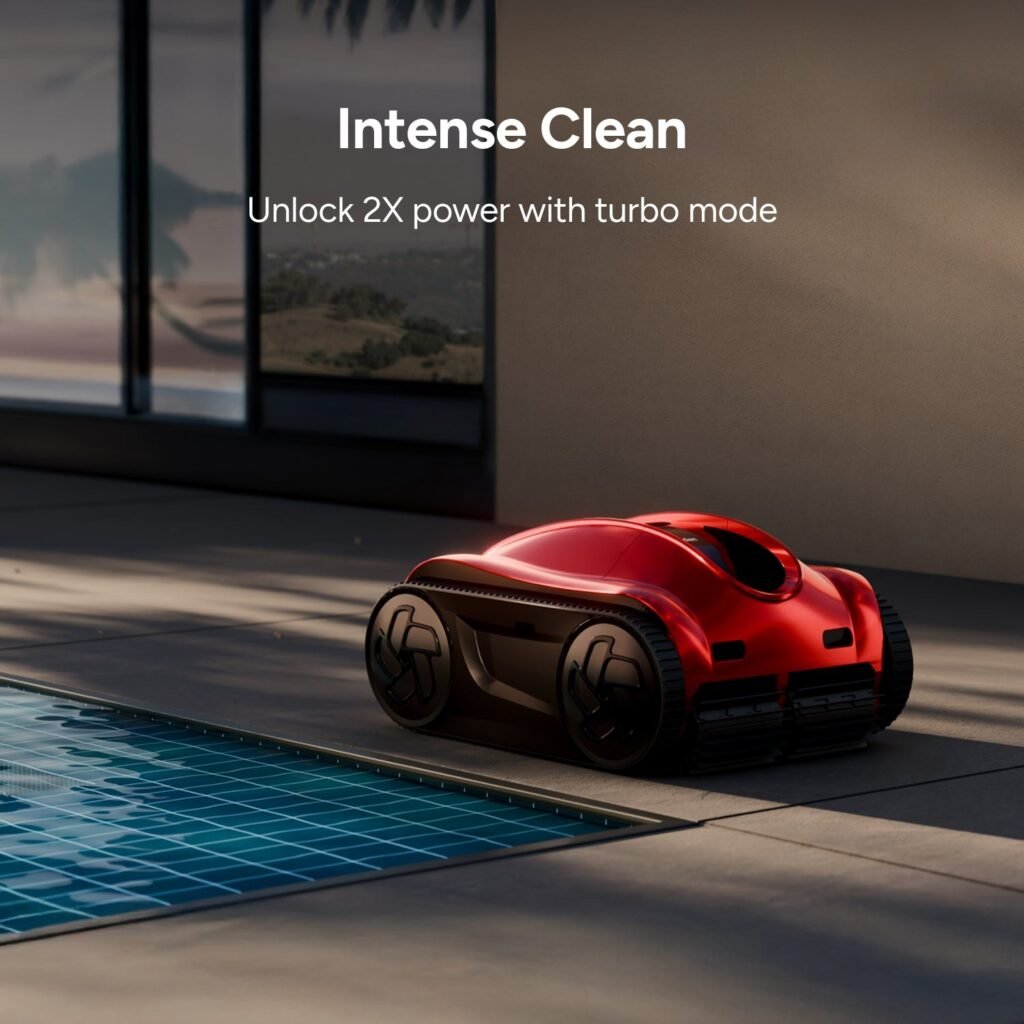
Beyond filtration, several performance factors deserve close scrutiny. Suction power determines whether a unit can lift settled sand and stuck-on algae or merely glide over them. Brush types matter too—rubber brushes excel on tile and fiberglass surfaces without causing scratches, while PVA foam brushes grip textured concrete and pebble finishes more aggressively to dislodge stubborn biofilm. Cycle times typically range from ninety minutes to three hours depending on the unit’s intended pool size coverage, and shorter isn’t always better if it comes at the expense of thoroughness.
Understanding Filtration Options for Optimal Clarity
Robotic cleaners generally employ one of three filtration approaches: standard cartridge filters, fine mesh panels, or hybrid bag-and-cartridge systems. Standard cartridges with larger micron ratings handle leaves, twigs, and coarse sediment efficiently and are simple to rinse clean—ideal for pools surrounded by trees or heavy landscaping. Fine mesh filters capture particles down to two microns, targeting pollen, dust, sunscreen residue, and microscopic algae spores that cloud water between chemical treatments. Some models offer interchangeable filter media, letting you swap between a coarse basket for heavy debris seasons and a fine filter for polishing during calmer months. If your pool sits in an arid, dusty climate or experiences frequent algae challenges, prioritizing ultra-fine filtration will dramatically reduce the burden on your main pool filter system and cut chemical costs. Conversely, pools primarily battling large organic debris benefit more from high-capacity cartridges that won’t clog mid-cycle.
Assessing Cleaning Efficiency and Navigation Technology
Cleaning efficiency encompasses two measurable dimensions: surface coverage percentage and time required to achieve it. Premium robotic cleaners equipped with gyroscopic sensors and onboard mapping algorithms calculate systematic back-and-forth paths, ensuring they clean each section once without redundant overlap. This methodical approach typically achieves above ninety-five percent coverage in a single pass, compared to sixty or seventy percent for random-pattern units that rely on bumping off walls to change direction. Advanced navigation also means the robot intelligently transitions between floor, walls, and waterline without getting stuck on ladders, steps, or drain covers. The practical payoff extends beyond aesthetics—thorough debris removal means less organic material decomposing in your water, which directly reduces chlorine consumption and prevents biofilm from establishing on surfaces. Over a season, superior cleaning efficiency translates into measurably lower chemical expenses, less frequent filter backwashing on your main system, and extended surface longevity since algae never gains a persistent foothold.
A Step-by-Step Guide to Selecting Your Robotic Pool Cleaner
Knowing what features exist is one thing—systematically narrowing down which combination suits your specific situation requires a structured approach. Rather than browsing randomly through product listings and getting lost in marketing language, following a deliberate selection process ensures you weigh the factors that genuinely matter for your pool. This step-by-step framework moves from concrete physical requirements through personal priorities and into practical research strategies, ultimately landing you on a model that delivers lasting satisfaction rather than buyer’s remorse.
Step 1: Analyze Your Pool’s Specifications and Environment
Start by documenting your pool’s physical characteristics, since these directly dictate which cleaners qualify as viable candidates. Measure your pool’s length, width, and depth—most manufacturers specify maximum pool sizes their units can handle efficiently, and choosing an undersized cleaner means incomplete coverage or premature wear on drive motors. Identify your pool’s surface material, whether it’s smooth fiberglass, painted concrete, exposed aggregate, vinyl liner, or glass tile, because brush compatibility varies significantly across these textures. Sketch your pool’s shape, noting any irregular curves, tanning ledges, built-in spas, or steep wall transitions that could challenge less agile robots. Then catalog your typical debris profile throughout the year: do you primarily battle fine sand blown in from nearby construction, large leaves from overhanging oaks, pine needles that slip through coarse filters, or persistent algae blooms during humid months? Finally, note any physical obstacles like in-pool steps, ladder rails, or main drain configurations that a robot must navigate around without getting trapped.
Step 2: Define Your Cleaning Priorities and Budget
With your pool’s specifications documented, determine what matters most to you operationally. If crystal-clear water is your primary goal because you host frequent gatherings, prioritize models with ultra-fine filtration and wall-climbing capability that scrubs the waterline where oils and scum accumulate. If convenience ranks highest, focus on units offering programmable scheduling so cleaning happens automatically without you remembering to deploy the robot. Create two columns—must-have features versus nice-to-have upgrades—and be honest about which category items like smartphone control or caddy carts fall into for your lifestyle. Budget-wise, recognize that entry-level units handle basic floor cleaning adequately for smaller pools, mid-range models add wall climbing and finer filtration, while premium units deliver smart navigation, app connectivity, and multi-surface optimization. Think in terms of total cost of ownership rather than sticker price alone, factoring in how frequently you’ll replace filter cartridges, brushes, and drive tracks over a five-year ownership window.
Step 3: Research and Compare Models Effectively
Armed with your requirements list, begin comparing specific models that match your pool size and surface type. Manufacturer comparison charts provide a useful starting point, but supplement these with independent expert reviews from pool industry publications that conduct hands-on testing under controlled conditions. User reviews on retail platforms reveal real-world reliability patterns—pay particular attention to feedback from owners whose pools resemble yours in size, shape, and debris challenges. Look for recurring complaints about specific failure points like cable tangling, wheel traction loss on slopes, or filter baskets that crack after several months. Verify warranty terms carefully, noting whether coverage extends to wear components like brushes and tracks or only covers motor and electronics failures. Check whether the manufacturer maintains accessible customer service and stocks replacement parts domestically, since a robot requiring overseas-shipped components creates frustrating downtime during peak swimming season.
Step 4: Consider Long-Term Value and Ease of Maintenance
The best robotic cleaner isn’t necessarily the one with the most features—it’s the one you’ll consistently use because maintaining it feels effortless. Evaluate how easily each model’s filter system disassembles for cleaning; top-access filter cartridges that pop out without flipping the unit upside down encourage more frequent rinsing and better sustained performance. Investigate energy efficiency ratings, since a robot running two to three cycles weekly over an eight-month season accumulates meaningful electricity costs if it draws excessive wattage. Models with energy-efficient DC motors typically consume far less power than older AC-driven designs while delivering equivalent or superior suction. Confirm that replacement brushes, filter media, and drive components remain readily available and reasonably priced—some manufacturers design proprietary parts that command premium pricing, while others use standardized components. A robot that costs slightly more upfront but features tool-free maintenance access, widely available consumables, and proven multi-year durability ultimately delivers superior value compared to a bargain unit requiring frequent costly repairs.
Advanced Insights for Tech-Savvy Pool Owners
For pool owners who embrace connected living and demand cutting-edge functionality, today’s premium robotic cleaners offer far more than basic automated scrubbing. The convergence of IoT connectivity, artificial intelligence, and modular hardware design means your pool cleaner can now function as an intelligent node within your broader smart home ecosystem. Choosing the right filtration system becomes even more strategic when paired with diagnostic sensors that monitor filter saturation in real time and alert you before performance degrades. Advanced robotic cleaners leverage machine learning to optimize their cleaning paths over successive cycles, adapting to your pool’s unique contours and debris accumulation patterns without manual intervention. As manufacturers continue pushing innovation boundaries, understanding these capabilities helps you select a unit that won’t become obsolete within a few seasons.
Integrating with Smart Home Systems for Automated Control
Wi-Fi and Bluetooth-enabled robotic cleaners transform pool maintenance into a fully remote operation. Through dedicated smartphone apps, you can initiate cleaning cycles from your office, monitor real-time progress via mapped visualizations, and receive push notifications when the job completes or an error occurs. Many premium models now integrate with voice assistants like Amazon Alexa and Google Home, allowing you to start or schedule cleanings through simple voice commands. Some units even sync with pool automation hubs that coordinate pump schedules, chemical dosing, and lighting alongside the robot’s activity—creating a unified maintenance workflow triggered by timers, water quality sensors, or weather forecasts that predict heavy debris days. Platforms like iGarden are helping homeowners centralize these various smart home devices into cohesive ecosystems where pool care, landscape management, and outdoor automation work together seamlessly.
Future-Proofing Your Investment with Upgradable Features
Technology evolves rapidly, and selecting a robotic cleaner with upgradability in mind protects your investment against premature obsolescence. Look for models whose manufacturers deliver over-the-air firmware updates that refine navigation algorithms, extend battery management, or unlock new cleaning modes without requiring hardware replacement. Modular designs that allow you to swap brush assemblies, upgrade filter cartridges to finer micron ratings, or add enhanced sensor packages as they become available ensure your unit grows alongside advancing technology. Brands committed to open ecosystems and long-term software support signal that your cleaner will remain capable and connected well into the future rather than becoming a dead-end product after a single generation.
Making Your Final Choice for Effortless Pool Maintenance
Selecting the best robotic pool cleaner comes down to aligning your pool’s specific demands with the right combination of features and technology. As we’ve explored, filtration system quality directly determines water clarity and chemical savings, while advanced navigation technology ensures comprehensive coverage that eliminates missed spots and wasted energy. Following a structured selection process—starting with honest assessment of your pool’s dimensions, surface type, and debris challenges, then defining priorities and budget before diving into model comparisons—prevents impulse purchases driven by flashy marketing rather than genuine fit. For tech-savvy owners, smart connectivity and upgradable designs add layers of convenience and investment protection that justify stepping into premium territory. The right robotic cleaner doesn’t just save you hours of manual labor each week; it actively improves water quality, extends equipment life, reduces chemical consumption, and keeps your pool perpetually ready for spontaneous enjoyment. Take the framework outlined in this guide, apply it honestly to your unique situation, and you’ll land on a robotic pool cleaner that transforms maintenance from a dreaded obligation into something you barely think about—leaving you free to focus on what your pool was always meant for.