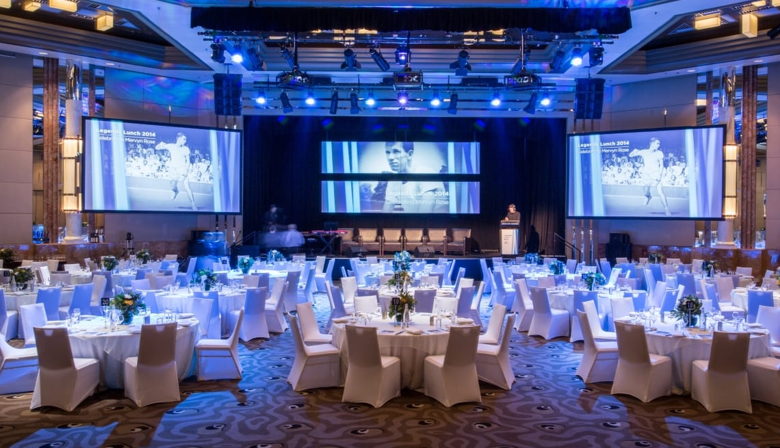
Corporate events give businesses an opportunity to communicate their goals, strengthen professional relationships, and create memorable experiences for employees, clients, and partners. From conferences and product launches to annual meetings and award ceremonies, each occasion requires thoughtful planning. Choosing reliable support for corporate event management in Delhi can help an organisation coordinate the many details involved, while keeping the event aligned with its purpose, audience, and budget.
The planning process begins by identifying why the event is being organised. A company may want to launch a product, recognise employees, discuss performance, or connect industry professionals. This objective helps determine the format, venue, schedule, guest list, and communication approach.
Understanding the Event Requirements
Every corporate gathering has different requirements. A leadership meeting may need a private room and presentation equipment, while a large conference may require multiple halls, registration counters, stage production, and guest management. The event’s scale should guide the arrangements.
Before confirming major arrangements, organisers should consider:
- The purpose of the event and the outcomes expected.
- The number and profile of attendees.
- The preferred date, duration, and event format.
- Venue capacity, accessibility, and location.
- Technical, catering, branding, and hospitality requirements.
- The available budget and any essential priorities.
Selecting a Suitable Venue
The venue influences the comfort, movement, and overall experience of attendees. Delhi offers a range of settings, including hotels, convention spaces, business centres, banquet halls, and distinctive event venues. The right choice depends on the audience, programme, location preferences, and facilities needed for the occasion.
Organisers should assess more than a venue’s appearance. They should check seating, stage visibility, sound, lighting, power, internet access, parking, accessibility, and emergency arrangements. It is also useful to confirm rules for outside vendors, branding, setup, and dismantling.
Creating a Clear Event Programme
A well-planned programme gives an event direction and helps attendees understand what to expect. It should balance formal sessions with suitable breaks, networking opportunities, and transitions between activities. A conference, for example, may include registration, opening remarks, expert sessions, panel discussions, refreshments, and a closing address.
The schedule should be realistic. Speakers need enough time to present, while guests need time to move between spaces and participate without feeling rushed. Organisers should also prepare a running order for the production team, listing timings, speaker introductions, presentations, videos, music cues, and stage movements.
Managing Production and Technical Details
Technical arrangements have a direct effect on how smoothly a corporate event runs. Audio systems, microphones, screens, projectors, lighting, video equipment, and internet connectivity should be selected according to the programme. A product launch may need detailed visual presentation and stage effects, whereas a training session may depend more on clear sound and reliable presentation tools.
A technical rehearsal is valuable because it allows the team to test equipment, check presentation files, confirm microphone levels, and coordinate cues. Backup microphones, power options, presentation copies, and technical support should be available where appropriate. These preparations reduce disruption if a device or connection fails.
Coordinating Guests, Hospitality, and Vendors
Attendee experience depends on many small details working together. Registration should be organised to avoid long queues, and guest lists should be checked for accurate names and access requirements. Hosts and ushers can guide visitors, answer basic questions, and help speakers or special guests reach the correct areas.
Catering arrangements should reflect the event duration, schedule, and audience needs. Organisers should confirm menu choices, service timings, dietary requirements, drinking water, and the number of expected guests. Vendor responsibilities should be documented clearly, including delivery times, setup requirements, contact persons, and payment terms.
When several suppliers are involved, one coordinated point of contact can make communication easier. This is where experienced corporate event management in Delhi can be useful, particularly for programmes involving multiple vendors, technical teams, venues, and guest services. Clear coordination helps prevent overlapping responsibilities and keeps important tasks visible.
Keeping the Budget Under Control
A practical budget supports better decisions and helps prevent avoidable expenses. It should account for venue hire, production, décor, catering, transport, accommodation where needed, printing, staffing, permissions, and contingency costs. Estimates should be compared on the basis of what is included, not only on the headline price.
Organisers can manage spending by:
- Identifying essential requirements before optional additions.
- Requesting written quotations with clear inclusions.
- Confirming taxes, service charges, and cancellation terms.
- Tracking deposits, due dates, and approved changes.
- Keeping a contingency amount for unexpected needs.
Choosing the Right Event Partner
An event partner should understand the business objective as well as the practical work involved in delivering the programme. When comparing a Delhi events company, organisations can review its experience with similar formats, planning process, vendor network, communication standards, and ability to manage changes. References, previous event examples, and a detailed proposal can help clarify what the team can provide.
A useful proposal should explain the scope of work, responsibilities, timelines, deliverables, and commercial terms. It should also identify which tasks remain with the client. Clear expectations from the beginning reduce confusion and allow both sides to work towards the same result.
See also: Smart Label Printing Technology Transforming Modern Workspaces
Preparing for Event Day
A final review before the event helps confirm that every major task has an owner. Organisers should check vendor arrival times, venue access, registration materials, seating plans, signage, speaker requirements, catering, and technical rehearsals. Contact details for key team members should be shared with those responsible for coordination.
A day-of-event checklist may include:
- Confirming the venue is ready before guest arrival.
- Testing sound, lighting, screens, and presentation files.
- Briefing registration staff, hosts, and ushers.
- Checking stage arrangements and speaker order.
- Confirming catering service and guest assistance.
- Keeping an emergency contact and backup plan available.
Conclusion
The work does not end when the guests leave. A post-event review helps organisations understand whether the gathering achieved its objectives and what could be improved next time. Feedback forms, attendance figures, engagement levels, client responses, and internal observations can provide useful information. This preparation helps teams use resources more effectively.
For businesses planning conferences, launches, meetings, celebrations, or employee engagement activities, working with a capable Delhi events company can make the process more organised. The most effective events are not necessarily the largest or most elaborate. They are the ones that serve a clear purpose, respect the audience’s time, and deliver a consistent experience.SKYWINGS supports organisations seeking thoughtful planning and coordinated event services for professional occasions. With attention to event objectives, logistics, presentation, and guest experience, the team can help businesses shape gatherings that reflect their identity and priorities.